



HVAC software built around how the work actually runs
Off-the-shelf field service software assumes your business works the way the vendor imagined. Most HVAC contractors end up with three systems and a spreadsheet holding it together. We build the system that fits the operation, then run it.
to dispatch a job
of job history found without a second system
bounce rate on service request pages
Result from one client project.
Trusted by teams across healthcare, finance, and manufacturing





The software fits the vendor’s model, not your business
HVAC operations have a specific shape: seasonal demand that doubles overnight, technicians who need the job on a phone in a basement with no signal, equipment and warranty history that has to survive five years, and government rebate programs that change the paperwork every year.
Generic field service platforms handle some of that. The gaps get filled with spreadsheets, a second scheduling tool, and someone re-keying the same job three times. What we typically recommend is building the parts that are genuinely specific to your operation and integrating the rest, rather than replacing everything at once.
- Dispatch and scheduling that cannot absorb a seasonal spike
- Equipment, warranty, and service history scattered across systems
- Estimates rebuilt by hand for every job
- Rebate and financing paperwork tracked outside the system entirely
What we build for HVAC companies
Four of the seven projects behind this page are custom CRM builds, so this is the part of the work we know best.
Custom HVAC CRM
Customer records, equipment history, job tracking, and workflow automation built around your process — not a configuration of someone else’s.
Dispatch and scheduling
Scheduling that survives peak season, assigns by skill and territory, and works on a technician’s phone in the field.
Estimating and quoting
Structured estimates from your own equipment, labour, and margin data, so a quote takes minutes and stays consistent between estimators.
Integrations
Accounting, payments, rebate programs, and financing partners connected so information is entered once.
Websites that generate real leads
Service-area pages, booking, and quote requests, built to convert rather than to look busy.
Ongoing operation
We keep running the system after launch. In this industry, a system nobody maintains is a system your team routes around.
HVAC companies we have actually built for
Seven HVAC projects, including four custom CRM builds — two in Ontario, one in Florida, and one covering a smart-home and HVAC hybrid operation.


Seasonal businesses cannot afford a system with no owner
Peak season is not the time to find a bug
Demand in this industry is not smooth — it doubles in a heat wave. We operate the system, so load problems are ours to catch before dispatch feels them.
The CRM keeps changing because the business does
A rebate program changes, you add a service line, you open a second territory. Ongoing ownership means the system follows, instead of being worked around.
Technicians will route around anything slow
Field software gets abandoned quietly. Staying involved after launch is how we find out that the flow nobody uses needed two fewer taps.
One accountable team
Website, CRM, integrations, and hosting in one place. Small operations teams do not have the capacity to referee between vendors.
Not just clients. Partners and friends!
The work that the Convergine team is doing is nice. I like they take such direct feedback and make quick updates. Jane and the designer are doing a fantastic job.
Steve Arentzoff
FlexPayConvergine is a superhero — 10 million star review. You and the team are simply the best. Always making our wildest visions come to life in a way that works.
Kelsey Harrison
My Main StreetWe are very happy with the services that Convergine has provided us with. The team is responsive, professional, and a genuine pleasure to work with.
Audrey Miron
InnovadermI've managed full-cycle project deployments for years, and this team consistently delivers high-quality solutions on time. Great to work with.
Ian Millar
Health FuturesIt was a great experience to work with you personally and with the whole team. Professional, attentive, and always delivering above expectations.
Diane Lanthier
MRDIDigital tools to start your journey
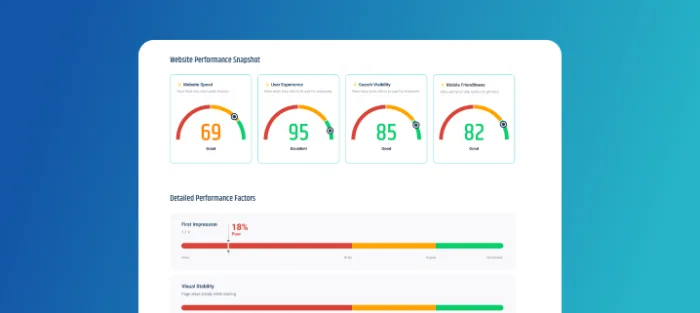
Is your website in good health?
Run a quick diagnostic to uncover issues holding your site back.
How much might it cost to design a website?
Get an instant ballpark estimate based on your goals and features.
Do you need a custom web app or a SaaS platform?
Answer a few questions and get a clear recommendation.
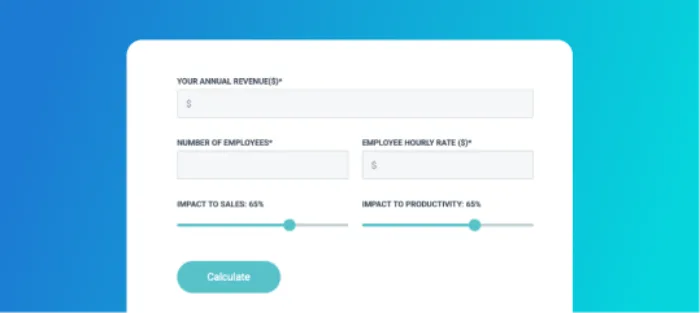
How much could an outage cost your business?
Calculate the real financial impact of downtime in seconds.
Questions HVAC contractors ask us
Often you should buy. Platform software is the right answer for a straightforward operation. Custom makes sense when your process is genuinely different — rebate programs, unusual equipment tracking, a hybrid service and retail model — and you are already paying people to bridge the gaps by hand.
Yes, and usually that is the better first step. We have connected accounting, payments, and financing partners so data is entered once. Replacing everything at once is rarely necessary.
It has to. Technicians work on phones in basements and crawl spaces, so field flows are designed for small screens, poor connectivity, and gloves.
A focused first release is typically three to five months. We would rather ship the dispatch and job-tracking core early and add estimating after, than disappear for a year.
Yes — six of the seven HVAC projects behind this page included website work, and several are website-only. The two feed each other: leads land in the same system your dispatch runs on.
Tell us where the spreadsheets are
The spreadsheets are usually where the real requirements live. Show us those and we can tell you quickly whether custom is worth it — including when it is not.
Start a conversation