


Website design without SEO won’t deliver results. Learn why website design and SEO need to be aligned to drive traffic and conversions.
A well-designed website that doesn’t rank on Google is just a digital brochure no one sees.
Many businesses treat website design and SEO as separate projects. They focus on visuals first, then worry about visibility later—if at all. The result? A great-looking site with zero traffic and no return on investment.
Design isn’t the enemy here. But without SEO, it’s incomplete.
This article explains why website design and SEO should always go hand in hand, and what’s at stake when they don’t. We’ll also share how we approach this at Convergine to build websites that are not only beautiful—but built to perform.
| Need a Website That Looks Great and Gets Found? |
|---|
| Design draws people in. SEO brings them to the door. You need both working together from day one. At Convergine, we build custom websites that are visually engaging, technically sound, and optimized to perform in search—right out of the gate. |
| Explore Our Website Design and SEO Services |
Why Website Design and SEO Must Work Together from the Start
Building a website without SEO is like opening a store without a sign. To get results, your design and search strategy need to be aligned from day one. These seven points explain why website design and SEO are strongest when planned and executed together.
1. A Beautiful Website Without Traffic Is Useless
You can have the best-looking site in your industry—but if no one finds it, it’s not helping your business.
A strong website design and SEO strategy ensures that your site doesn’t just look impressive—it gets discovered by the right people.
Design brings credibility, but SEO brings visibility. One without the other is a missed opportunity.
2. Design Choices Directly Impact Search Rankings

Search engines care about how users interact with your site. Things like page speed, mobile responsiveness, layout, and navigation aren’t just design elements—they’re SEO factors.
When website design and SEO are aligned, your site is easier to crawl, loads faster, and keeps users engaged. All of that helps improve your rankings and keeps your visitors from bouncing.
3. SEO Planning Should Shape the Site Structure
Good SEO starts long before you write a single line of code. It begins with understanding your audience, identifying what they’re searching for, and structuring your site to match.
This means your website design and SEO strategy should guide decisions like page hierarchy, navigation menus, internal linking, and content placement. A well-structured site is easier to navigate—for users and for search engines.
4. Technical SEO Starts in the Code
Search performance depends on more than just content. It’s shaped by how your website is built.
Clean code, crawlable URLs, schema markup, meta tags, and proper heading structure all impact how search engines understand your site. These technical elements need to be addressed early in the website design and SEO process—not patched in later.
When your site is optimized from the inside out, it’s faster, easier to index, and more competitive in search.
5. Engaged Visitors Send the Right Signals to Search Engines
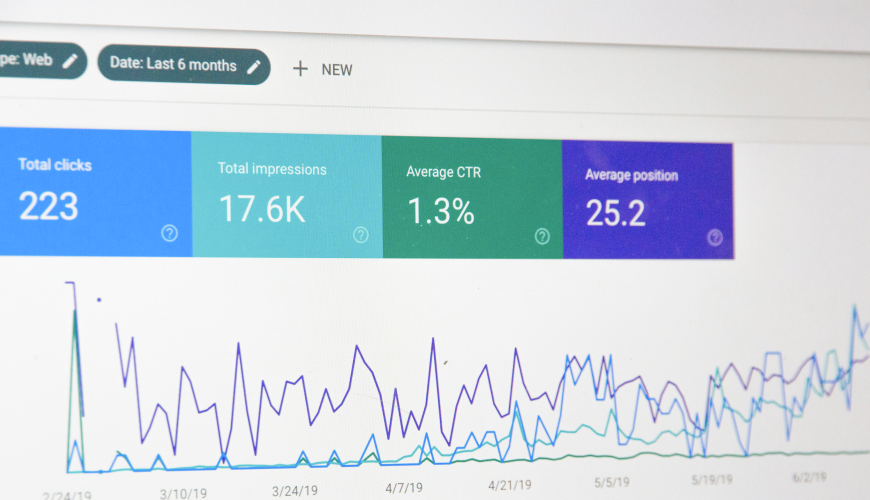
Search engines don’t just look at how your site is built—they also pay attention to how people use it.
When visitors stay on your site, click through multiple pages, and complete actions (like filling out a form), it signals that your content is valuable. These engagement metrics influence your rankings.
This is where website design and SEO need to work together. Design creates a user experience that encourages people to explore, while SEO brings the right audience in. The combination is what turns traffic into results.
6. Doing Both Together Saves Time and Budget
When website design and SEO are treated as separate phases, you end up with duplicated work, misaligned goals, and often, expensive fixes after launch.
Integrating both from the beginning streamlines the entire process. Content, structure, and functionality are built with a shared strategy, reducing rework and speeding up delivery. That means fewer surprises, better results, and a more efficient use of your budget.
7. Integrated Strategy Drives Real Business Results
Your website is more than a design exercise—it’s a business tool.
When website design and SEO are aligned from the start, the result is a site that looks professional, ranks well, and delivers measurable outcomes: more traffic, better engagement, and higher conversions. It builds trust with users, performs well in search, and supports your long-term growth strategy.
That’s the difference between a static website and one that actively supports your business.
| How Can We Help with Website Design and SEO? |
|---|
| At Convergine, every website we build includes foundational SEO best practices—from clean code and mobile responsiveness to structured content and fast load times. That’s part of our core approach. But if you need a more comprehensive SEO strategy, we also offer it as a standalone or add-on service—tailored to your needs. |
| Let’s Talk About Your Project |
Final Thoughts
A great website does more than look good—it brings in the right traffic and turns visitors into customers. That only happens when website design and SEO work together from the very beginning.
Too often, businesses treat SEO as an afterthought or separate project. The result? Missed opportunities, added costs, and underperforming websites.
When design and SEO are aligned, everything works better: your rankings, your user experience, and your results. Whether you're building from scratch or improving what you already have, bringing these two together is a smart move—and a measurable one.