


Accessibility is important in web design—it improves usability, supports compliance, and drives better business outcomes.
A website that looks good but excludes people is not well designed. Yet many organizations still overlook basic accessibility standards—things like alt text, logical navigation, contrast ratios, and readable forms. These may seem like small details, but they create real barriers for the 1.3 billion people worldwide living with disabilities.
These issues go beyond regulatory checkboxes. They affect how people access your site, navigate your content, and engage with your brand. Accessibility is important in web design because it ensures usability, expands your reach, reduces legal risk, and reflects your commitment to inclusivity.
| Request an Accessibility Audit |
|---|
| Not sure if your website meets accessibility standards? We can help. Our team will assess your site for compliance, usability gaps, and quick-win improvements. Whether you're a startup, mid-sized business, or enterprise, we tailor solutions to fit your goals. |
| Request Audit |
In this blog, we explain why accessibility should be a foundational part of every web project—not an afterthought. You will also learn how we approach accessibility at Convergine and what steps you can take to make your digital presence more inclusive and effective.
What Makes a Website Truly Accessible
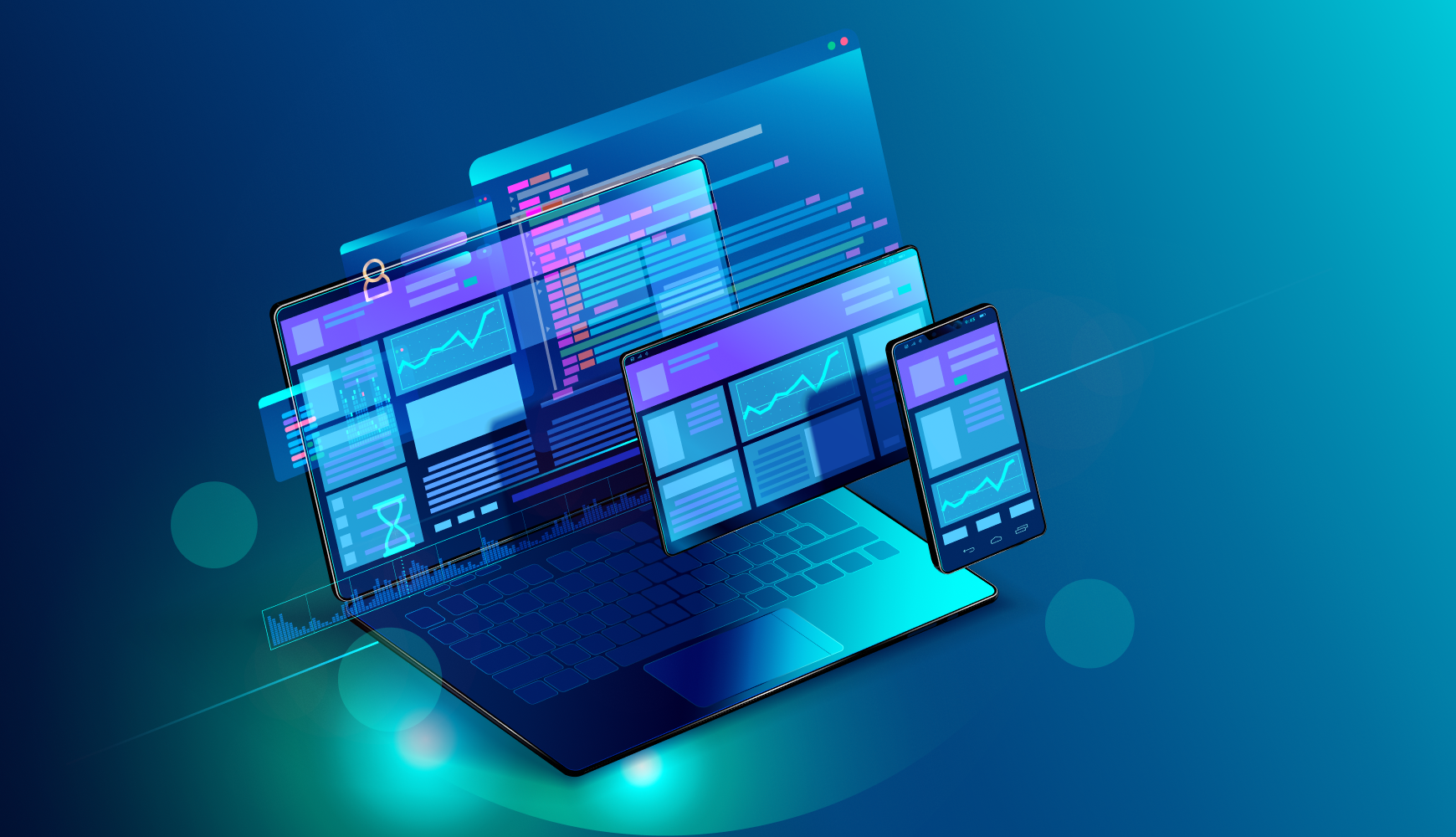
An accessible website ensures that users with disabilities can engage with content, complete actions, and navigate without barriers or assistance. It creates a consistent, usable experience—regardless of how someone accesses your site.
As outlined by the Center for Applied Special Technology (CAST), accessibility means users with disabilities should be able to:
1. Understand and process the same information
Content must be readable, structured, and presented clearly—whether someone uses a screen reader, text zoom, or other assistive technology.
2. Interact with the same features and tools
Navigation menus, forms, buttons, and interactive elements must be usable with a keyboard or alternative input methods.
3. Access the same services and complete tasks independently
From submitting a contact form to completing a transaction, users must be able to take action without relying on workarounds or external help.
These principles reflect a single goal:
build websites that work for everyone. That is what makes a website truly accessible.
So, Why Accessibility Is Important in Website Design?
1. It’s inclusive

In the United States, nearly 28.7% of adults live with some form of disability, according to the CDC. That means more than one in four people may face digital barriers when trying to access a website.
Accessibility is important in web design because it ensures equal access to content, features, and services for everyone—regardless of physical or cognitive ability. Inclusive design allows all users to navigate, understand, and interact with your site independently.
A truly accessible website respects the diversity of its audience and removes the friction that shuts people out.
2. It’s usable
Websites that meet accessibility standards are easier to use—for everyone. Clear structure, readable text, proper labels, and intuitive navigation benefit all users, not just those with disabilities.
Designing with accessibility in mind reduces friction and confusion. It helps users complete tasks faster, find what they need without frustration, and interact with your site on any device, in any situation.
Accessibility is important in web design because good usability is good for business. A smoother experience leads to better engagement, lower bounce rates, and higher conversion.
3. It’s compliant

Many regions have strict digital accessibility laws—such as AODA in Ontario, ADA in the United States, and the European Accessibility Act. These standards are not optional. Failing to meet them can lead to complaints, lawsuits, and lost funding or contracts.
Accessibility is important in web design because it ensures your site meets legal obligations and reduces exposure to compliance risks. For organizations in regulated industries like healthcare, finance, or government, accessibility is a business requirement—not a feature.
Staying compliant protects your reputation and reinforces your commitment to doing business responsibly.
4. It’s better for everyone
Accessible design improves usability in more situations than most people realize. Captions help in noisy environments. High-contrast text supports visibility in bright light. Keyboard navigation is essential when a mouse stops working or on certain devices.
These are everyday scenarios—not edge cases.
Accessibility is important in web design because it makes your site more functional, flexible, and user-friendly for all. It supports temporary impairments, situational limitations, and the diverse ways people access the web.
Designing for accessibility means designing for reality.
5. It’s good for business

Accessible websites are better for performance, reach, and results. Search engines prioritize clean, structured, and well-labeled content—core principles of accessibility. These same standards also improve loading speed, mobile usability, and on-site engagement.
When users can easily find what they need and complete tasks without friction, they are more likely to stay, return, and convert.
Accessibility is important in web design because it directly supports discoverability, user satisfaction, and long-term business growth. It gives your brand a clear advantage in both visibility and trust.
How Convergine Approaches Accessibility
At Convergine, accessibility is integrated into every stage of our design and development process. We do not treat it as an add-on or a checklist. It is part of how we build high-performing, future-ready websites.
We follow WCAG standards and stay aligned with evolving legal requirements across Canada, the U.S., and beyond. More importantly, we design for real people—users with different needs, devices, and abilities.
Here is how we approach accessibility in practice:
1. UX-first strategy
Every project starts with research and user journey mapping to identify potential barriers early—before they’re built in.
| Want to Know Why UX Research Matters? |
|---|
| Accessibility starts with understanding how people actually use your website. These resources explore why UX research is essential for identifying barriers early—and how skipping it can cost more than you think. |
| Read the Guide See the Real Costs |
2. Standards-based design
Our UI design process prioritizes clarity, consistency, contrast, and structure to ensure visual and functional accessibility.
3. Built-in development practices
From semantic HTML to ARIA roles and keyboard navigation, our developers code with accessibility at the core.
4. Ongoing testing and support
We test against recognized accessibility tools, validate usability with assistive technologies, and offer support to help clients stay compliant as their content evolves.
Our goal is simple: build websites that work—for everyone, every time.
Final Thoughts
Designing with accessibility in mind is not optional—it is essential. It improves usability, expands your audience, strengthens your brand, and protects your business. It also reflects how seriously you take the experience of every user.
Accessibility is important in web design because it leads to better outcomes—for your users and your organization. It is a strategic investment in quality, equity, and long-term performance.
| Is Your Website Accessible? |
|---|
| If you are not sure whether your website meets accessibility standards, now is the time to find out. Request an Accessibility Audit and get a clear assessment of your site’s current compliance, usability gaps, and improvement opportunities. Our team will guide you through the next steps—whether you need quick fixes or a complete accessibility upgrade. Start building a better, more inclusive digital experience today. |
| Request an Accessibility Audit |