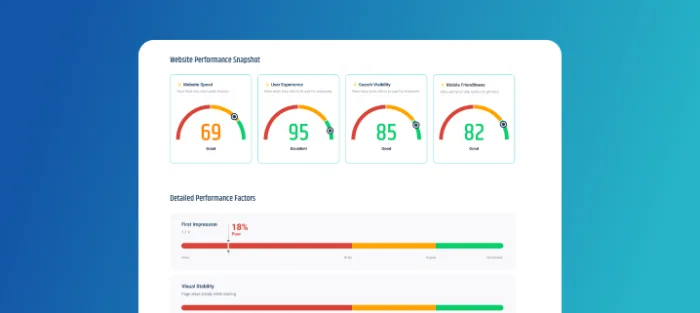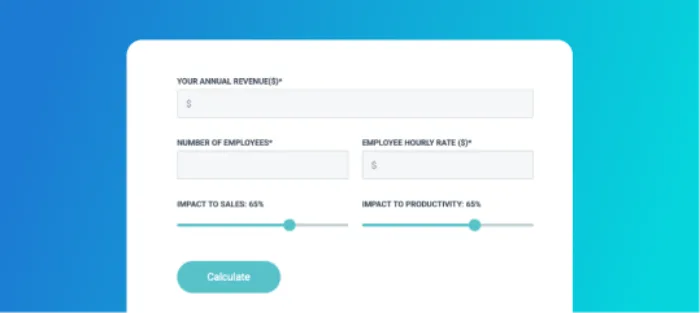



The cost of skipping UX research shows up in ways most teams never anticipate—missed revenue, rising support tickets, lost user trust, and months of wasted development.
At Convergine, we've seen projects with solid design and clean code underperform simply because no one validated the user journey. Businesses assume they know what users need. But without research, those assumptions often lead to poor decisions, inefficient builds, and solutions that fall short of their goals.
UX research is not an optional add-on. It’s foundational. If you're overlooking it, the impact is already affecting your business—whether it's visible yet or not. In the sections that follow, we unpack the real cost of skipping UX research—what it looks like, where it hits hardest, and why it's too expensive to ignore.
But if you’re ready to get a clearer picture right now, here’s a practical way to start:
Key Takeaways
- The cost of skipping UX research includes wasted development hours, budget overruns, and unnecessary rework.
- Without UX insight, features often miss the mark—leading to poor user adoption and support-heavy products.
- Conversion suffers when navigation, content, or CTAs are based on assumptions instead of research.
- Teams without research rely on guesswork, which drives design decisions that don’t solve real problems.
- Marketing campaigns lose ROI when users land on a site that’s confusing or frustrating to use.
The Real Cost of Skipping UX Research
You won’t always see the effects right away—but the consequences of skipping UX research show up across your entire digital strategy. From development to marketing, support to sales, the damage compounds quietly and often goes unnoticed until performance starts slipping. Here are seven ways the cost of skipping UX research impacts your business—each avoidable with the right foundation.
1. Wasted Time and Money
We’ve worked with clients who came to us after launching clean, well-built platforms—only to discover that users didn’t need half the features. Without UX research, teams move fast in the wrong direction. By the time real feedback arrives, deadlines have slipped, budgets are blown, and rework has already begun.
This is how projects stall: not because of poor execution, but because the insight came too late. The damage? Unnecessary complexity, lost time, and technical debt before the product even ships.
2. People Won’t Use It

A polished interface means nothing if users can’t figure out what to do. We’ve seen sites that look great—but bury key actions, confuse navigation, or overwhelm users with options. Without UX research, it’s impossible to design for how people actually think and behave.
When the experience breaks down, users leave. Engagement drops, conversions stall, and the product fails—not because it lacked functionality, but because no one validated how real people would interact with it.
If any of this sounds familiar, it might be time to take a closer look—before user frustration becomes your default feedback loop.
3. More Customer Complaints
One of the hidden costs of skipping UX research is the steady rise in customer complaints. Support teams get buried in tickets about broken flows, unclear steps, or frustrating interactions—issues that could have been prevented with proper insight early on.
Instead of building momentum, your team spends time explaining workarounds. The result? Slower response times, lower satisfaction scores, and internal resources spent fixing avoidable problems.
4. Lost Sales and Leads
When users can’t easily complete a form, find information, or follow a purchase path, they leave. Even small barriers—like unclear buttons or too many steps—cause drop-offs at the exact moment they were ready to act.
The cost of skipping UX research shows up here as missed revenue. A broken flow or misaligned call to action doesn’t just frustrate visitors—it directly reduces sales, leads, and long-term growth potential.
5. Bad First Impressions
Trust is fragile online. We’ve seen healthcare portals that bury lab results behind confusing menus, or financial dashboards that overwhelm new users with cluttered layouts. Even if the design looks polished, the experience leaves visitors questioning the organization’s credibility. First impressions decide whether they stay or move on.
The cost of skipping UX research is often a reputation problem. If users encounter friction on their first visit, they may never return, and that missed chance to build trust turns into a long-term loss of credibility and revenue.
6. Falling Behind Competitors
Markets move fast, and competitors that invest in UX research are always learning from real user data. They refine navigation, streamline forms, and improve engagement while you’re still guessing.
The gap widens quietly. What begins as a small usability difference grows into a competitive disadvantage—your site feels harder to use, your conversions lag, and customers choose the option that makes their lives easier.
7. Wasted Marketing Budget
The cost of skipping UX research often shows up in wasted ad spend. You can pour money into campaigns that drive traffic, but if users land on confusing pages, broken forms, or poorly prioritized content, they bounce before converting.
Every dollar spent on outreach is undermined by weak user experience. Instead of fueling growth, your marketing budget goes toward sending visitors into a funnel that leaks at every step. In the end, the cost of skipping UX research is not just lost conversions—it’s a cycle of wasted spend that keeps compounding until the underlying issues are addressed.
Final Thoughts
Skipping UX research is rarely a one-time mistake—it’s a decision that compounds over time. What looks like a shortcut during design or development becomes a drag on performance, conversions, and reputation once the product goes live.
Teams that invest in research make better decisions earlier, save money on rework, and build solutions that earn trust from day one. The difference is simple: insight leads to growth, while guesswork leads to waste.