
Honest feedback from our developers and marketers on Craft CMS—real-world pros, flexibility, and why we keep using it for content-heavy client projects.
Craft CMS is one of the most developer-friendly and marketing-flexible platforms we’ve worked with. At Convergine, we’ve implemented it for content-heavy websites across multiple industries—healthcare, finance, government, and more.
This review shares our perspective from two angles: how our developers use Craft CMS to build scalable, customizable solutions, and how our marketing team leverages its intuitive backend to manage content efficiently, optimize for SEO, and launch updates faster. If you're evaluating CMS options for your next project, this breakdown will help you understand where Craft CMS stands in real-world use.
Key Takeaways
➤ Craft CMS gives developers full control—clean architecture, flexible content modeling, and reliable deployment workflows.➤ Marketing teams can work independently with an intuitive UI, SEO-ready tools, and structured content tailored to real workflows.➤ It scales with complexity—from multilingual setups to custom integrations and enterprise requirements.➤ Efficient for teams that value speed, control, and long-term maintainability over cookie-cutter solutions.
Developer POV: Why Our Team Chooses Craft CMS
Craft CMS is built the way developers wish more platforms were. It doesn’t assume how you want to structure your content or how your website should behave. Instead, it gives you the flexibility to architect your project properly—from the database schema to the front-end output—without unnecessary overhead or restrictions.
Here’s what makes it our go-to CMS:
1. Structured, Custom Content Modeling
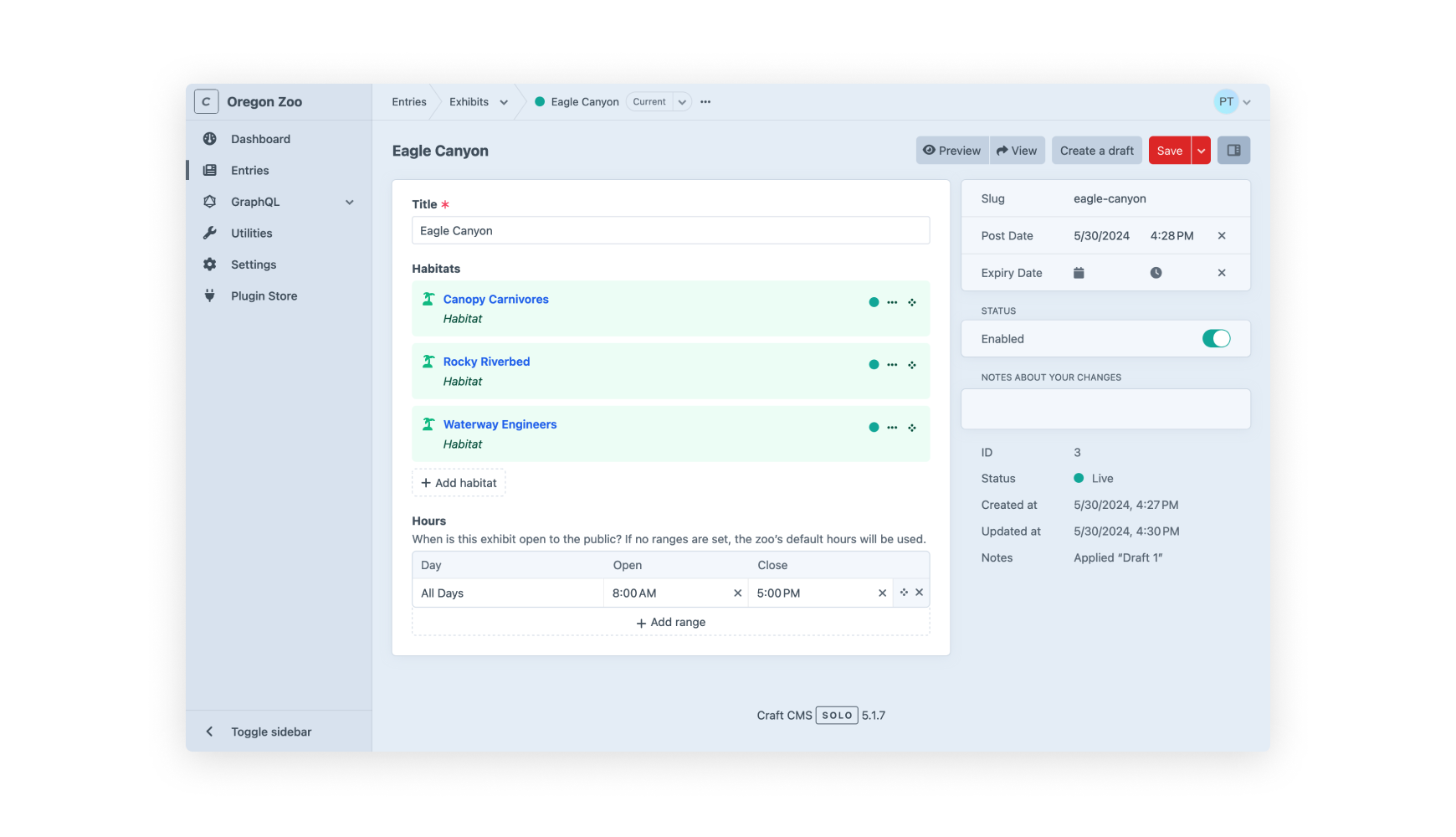
One of the biggest advantages of Craft is its flexible content architecture. We can define custom entry types, fields, relationships, and category structures tailored to each client’s business logic. This is more than just convenient—it allows us to design data-first systems where the content model aligns directly with business requirements. Whether we're building a multi-lingual knowledge base or a service directory tied to internal systems, Craft’s content modeling makes it clean and scalable.
2. Maintainable Codebase (Yii2 Framework)
Craft is built on the Yii2 PHP framework, which gives us a well-organized and extensible backend. It's easy to navigate and write clean, maintainable code. Compared to CMSs that rely heavily on hooks, global functions, or procedural logic, Craft offers a more modern, object-oriented structure that scales well as complexity increases. It’s ideal for teams that value clarity, reusability, and long-term maintainability.
3. Environment Control and Deployment
Craft embraces Composer and environment configuration, which means we can keep everything—plugins, configs, schema changes—under version control. This aligns with our CI/CD pipelines and infrastructure automation. Deployment is consistent, testable, and doesn’t rely on manual backend updates. When you’re supporting multiple environments or working in a team, this becomes critical.
4. Frontend Freedom (Twig, Headless, or Hybrid)
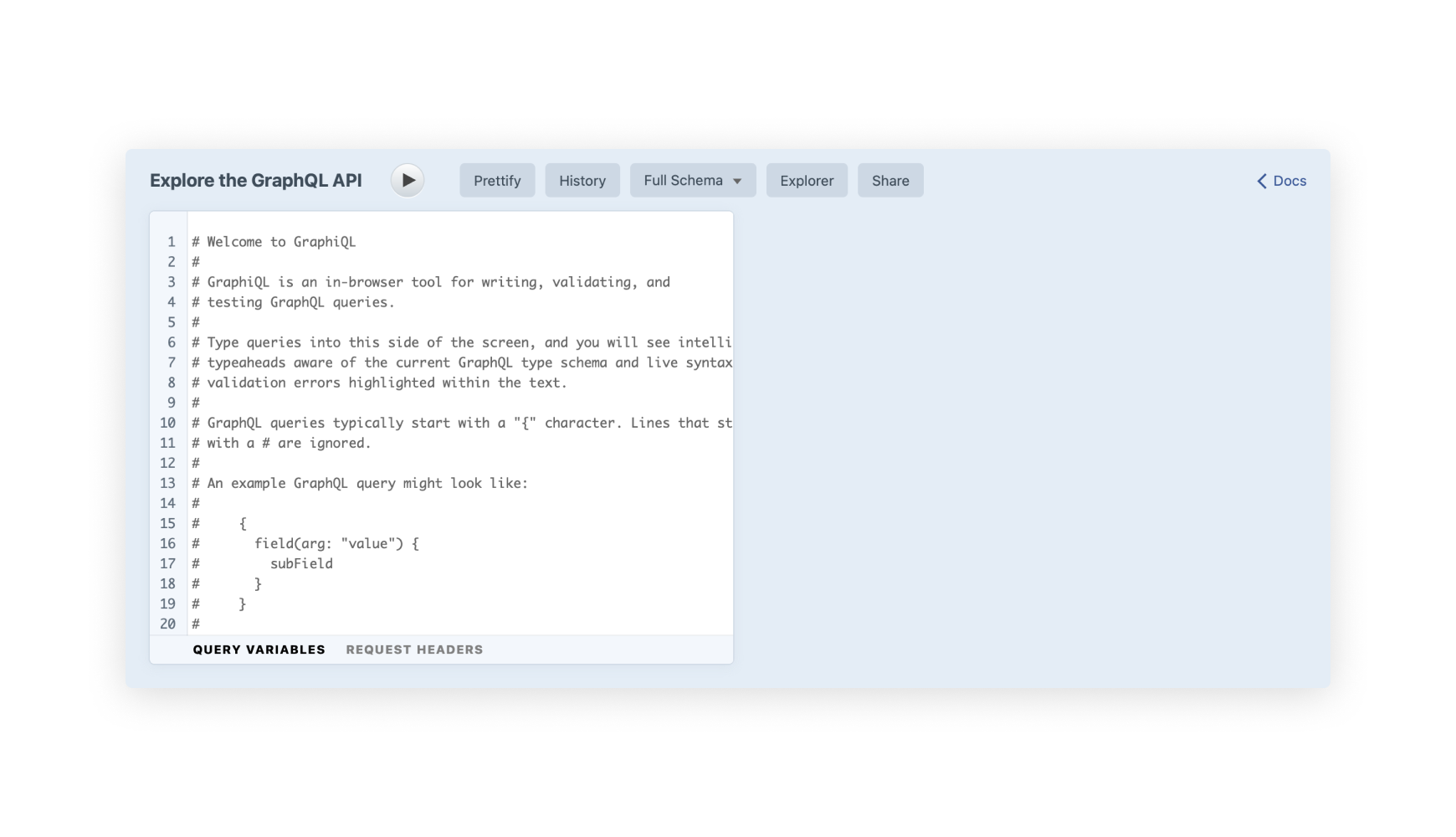
Craft uses Twig for templating, which is straightforward for rapid prototyping and client-friendly markup. But if we’re building SPAs or decoupled frontends, Craft also supports GraphQL and REST APIs out of the box. That gives us the flexibility to choose the right frontend stack—whether it’s a traditional server-rendered site or a Vue/React app powered by Craft as a headless CMS.
5. Plugin Development and Extensibility
We’ve built custom plugins for everything from CRM integrations to internal workflow tools. Craft’s plugin architecture is clean and well-documented. Unlike platforms that treat extensibility as an afterthought, Craft makes it first-class. The plugin store is also well-moderated, so we’re not pulling in low-quality code just to fill a feature gap.
6. Security and Stability
Because Craft is maintained by a dedicated team and not a revolving door of contributors, we trust its update cycle. Patches are timely, the codebase is vetted, and it supports modern security practices. For clients in regulated industries like healthcare or finance, this is non-negotiable.
Developer Takeaway
Craft CMS gives us full control without the baggage. It’s a framework-level CMS that doesn’t compromise on usability or extensibility. We don’t waste time fighting limitations, retrofitting plugins, or debugging chaotic updates. Instead, we build exactly what the project requires—with speed, clarity, and scalability.
Marketing POV: Why Our Content Team Actually Likes Using Craft CMS
Most CMS platforms either give developers too much control and lock marketers out—or they swing the other way and sacrifice flexibility for ease of use. Craft CMS doesn’t force that trade-off. It gives our marketing team the tools to manage content efficiently, run campaigns faster, and optimize for SEO without relying on developers for every minor update.
Here’s what stands out from a marketing and content management perspective:
1. Clean, Intuitive Control Panel
The admin interface is straightforward and uncluttered. Everything from creating a new landing page to updating content across multiple sections is easy to access and understand. We don’t need to click through confusing menus or worry about breaking something. For a marketing team working with tight deadlines, that matters.
2. Flexible Content Structures (Without Developer Bottlenecks)
We’re not forced to use predefined “pages” or “posts.” The backend is structured based on our actual content needs—product overviews, service listings, location-specific messaging, you name it. Once developers set up the content models, our team can manage and scale content without touching code or requesting custom fields every time a campaign changes.
3. Multi-site and Localization Support
Craft handles multi-site and multilingual setups well. Whether we’re running content for different regions, brands, or languages, we can manage it all from one backend—without duplication, confusion, or third-party hacks. That’s a major advantage for clients with segmented markets or growing product lines.
4. SEO and Structured Content Control
Craft gives us full control over meta tags, slugs, canonical URLs, redirects, and structured data. Unlike plugins in other platforms that overcomplicate this, SEO fields in Craft are lean, accessible, and built around actual marketing needs. No guesswork or over-optimization.
5. Custom Workflows and Permissions
We can create clear content workflows with custom roles and permissions. That means copywriters, editors, and reviewers each have the right level of access—reducing errors, approvals delays, and unnecessary developer intervention. It’s scalable and manageable, even for teams with multiple contributors.
6. Faster Turnaround, Less Dependency on Developers
One of the biggest impacts is speed. We can launch campaigns, build pages, and update messaging without waiting on development cycles. That shortens time-to-market and lets us test and iterate more often, which directly improves performance and conversions.
Marketing Takeaway
Craft CMS supports real marketing workflows without compromising structure or quality. It gives us the freedom to move fast without creating chaos—and when content management is that seamless, it stops being a blocker and becomes an asset.
See Craft CMS in Action
Want to see how we’ve applied everything we’ve talked about? Browse our case studies to explore real-world Craft CMS websites we’ve designed and built for clients across healthcare, finance, government, and more.
How Craft CMS Compares to Other Platforms
If you're weighing Craft CMS against other popular platforms like WordPress, Drupal, or Joomla, we've broken down the key differences in separate, focused articles. Each comparison covers functionality, flexibility, performance, and how each platform supports real business needs.
Final Thoughts
Craft CMS gives us what most platforms don’t: full control for developers and a straightforward experience for marketers. It scales well, doesn’t impose unnecessary constraints, and fits the needs of businesses that want flexibility without sacrificing usability or performance.
We’ve used it across industries, for everything from multilingual corporate sites to tightly integrated service platforms. If your team needs a CMS that adapts to your business—not the other way around—Craft CMS is worth serious consideration.
Want help deciding if it’s right for your project?

We’ve built dozens of custom websites with Craft and can help you evaluate whether it fits your specific goals, team structure, and long-term needs. Get in touch with us to start the conversation.