

Discover how Microsoft Azure helps businesses scale, stay secure, and simplify infrastructure with flexible cloud solutions.
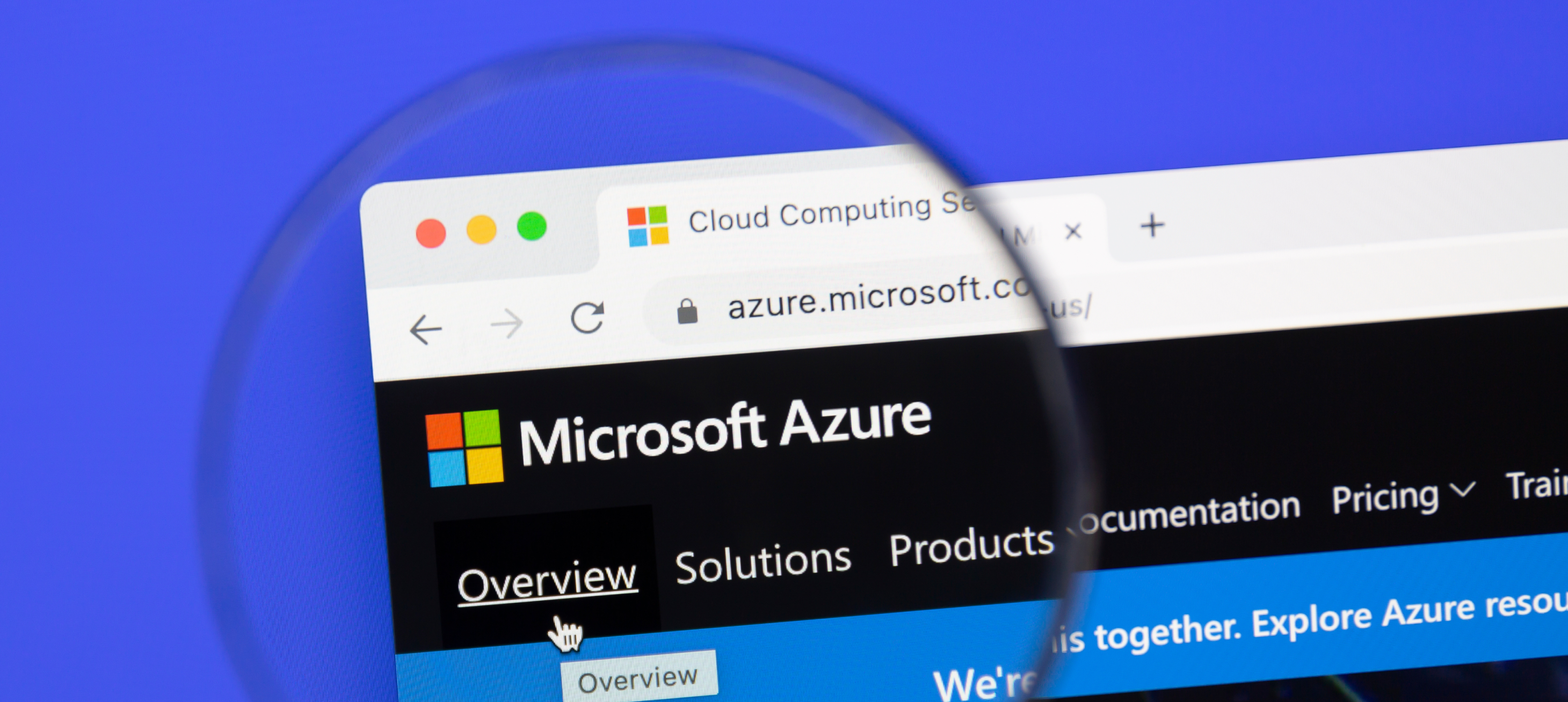
Microsoft Azure is Microsoft’s cloud computing platform. It’s used by businesses to host websites and applications, store data securely, and run advanced services like analytics and AI.
It matters because more and more organizations are moving away from traditional IT infrastructure in favour of scalable, secure, and flexible cloud solutions. Microsoft Azure offers that foundation—backed by enterprise-grade security and global performance.
In this post, we explain what Microsoft Azure is, how it works, and why it’s becoming the platform of choice for companies that want reliability, control, and room to grow.
| Explore How Microsoft Azure Can Support Your Business |
|---|
| Looking to modernize your infrastructure, improve performance, or scale with confidence? Learn how our cloud services powered by Microsoft Azure can help you build secure, flexible solutions that grow with your needs. |
| Discover Our Cloud Services |
What Is Microsoft Azure?
Microsoft Azure is a cloud computing platform that gives businesses access to servers, databases, software, and storage—without needing to own or maintain physical infrastructure. It’s used to build, deploy, and manage websites, apps, and digital services through Microsoft’s global data centers.
Think of it like leasing a fully equipped office building instead of constructing one from scratch. You get the space, tools, and support you need—ready to go—while Microsoft takes care of the maintenance, security, and upgrades behind the scenes.
For organizations, this means less time managing IT and more focus on delivering services, improving performance, and scaling efficiently.
Why Microsoft Azure Matters to Your Business

Microsoft Azure is a business infrastructure platform. It supports secure, scalable, and cost-efficient operations. It helps businesses reduce complexity, control costs, and build systems that support long-term growth.
1. Cuts IT Costs and Reduces Overhead
Running on-premise infrastructure requires large investments in hardware, space, utilities, and IT staff. Microsoft Azure replaces that with on-demand infrastructure hosted in the cloud. You allocate resources as needed and scale based on demand. This reduces capital expenditures and minimizes ongoing operational costs.
Azure removes the need to buy and maintain physical servers. It allows growing businesses to expand capacity without overcommitting resources.
2. Increases Security and Supports Compliance
Microsoft Azure includes security features such as identity management, encryption, threat detection, and access controls. These protect data, applications, and networks from breaches and misuse.
It also supports compliance with standards like HIPAA, GDPR, and ISO 27001. These standards are not limited to technical teams—they carry legal, financial, and operational obligations. Azure helps meet these requirements using built-in controls and monitoring tools.
3. Enables Reliable Scalability
Scaling traditional systems takes time, planning, and capital. Azure allows you to scale applications, processing power, and storage in real time.
When demand spikes, resources adjust automatically. When expanding to new markets, Azure’s global infrastructure ensures fast performance without added infrastructure planning.
4. Speeds Up Deployment and Innovation
Deploying new systems on physical infrastructure delays time-to-market. Azure supports faster deployment cycles. You can launch applications, test updates, and respond to changing business needs with minimal delay.
This flexibility is essential for teams operating in competitive or rapidly changing environments.
5. Integrates With Microsoft and Third-Party Tools
Azure connects with Microsoft products such as Microsoft 365, Power BI, Teams, and Dynamics. It also integrates with tools from third-party vendors using APIs and built-in services.
This makes it easier to centralize operations, eliminate redundant systems, and improve cross-platform performance.
6. Provides Access to AI, Automation, and Analytics
Azure offers cloud-based services for AI, machine learning, data processing, and automation. These tools help improve customer experience, streamline internal processes, and extract value from data without requiring advanced infrastructure or internal development.
| Learn How Azure Protects Your Cloud Assets |
|---|
| Curious about how Microsoft Azure handles real-world cloud security threats? We’ve outlined exactly how it tackles risks like data loss, infrastructure vulnerabilities, and human error — and how it helps businesses like yours stay protected. |
| Read the Full Blog |
What You Can Do with Microsoft Azure
Microsoft Azure supports critical operations across a wide range of industries. The services are not abstract—they’re used every day to simplify infrastructure, protect data, and support growth.
1. Host Websites and Applications
Microsoft Azure allows you to deploy and manage websites, client portals, and web applications at scale. It supports high availability, global reach, and fast load times. Whether you're launching a small business site or running a high-traffic platform, Azure ensures performance and reliability.
2. Store and Secure Data
Azure provides secure, cloud-based storage for documents, databases, backups, and logs. Data is encrypted in transit and at rest. Built-in redundancy and disaster recovery features help maintain business continuity even during outages.
3. Run Line-of-Business Applications
From ERP systems to custom internal tools, Microsoft Azure runs core business applications in a stable and flexible environment. You can migrate legacy systems or build new applications that run efficiently and scale with demand.
4. Automate Business Processes
Azure helps automate manual, repetitive tasks such as data entry, scheduling, or document generation. This reduces human error, increases efficiency, and frees up internal teams to focus on higher-value work.
5. Integrate with Other Systems
Microsoft Azure supports connections with other platforms—Microsoft tools, third-party software, or custom systems—using APIs and prebuilt connectors. This allows your business to centralize operations and create a more cohesive digital environment.
6. Analyze and Visualize Data
You can process large volumes of data using Azure’s built-in analytics tools. Generate reports, visualize patterns, and make data-driven decisions without relying on fragmented data sources or outdated systems.
7. Use Artificial Intelligence and Machine Learning
Azure includes services for speech recognition, image analysis, predictive modeling, and more. These tools are used to enhance user experiences, automate decision-making, and uncover opportunities within your data.
| Comparing Platforms? |
|---|
| If you're evaluating cloud options, see how Microsoft Azure stacks up against AWS in terms of performance, pricing, security, and business fit. |
| Read: Microsoft Azure vs AWS |
Who Microsoft Azure Is For

Microsoft Azure supports a wide range of industries and use cases. Its flexibility makes it suitable for both established organizations and high-growth companies that need reliable infrastructure without the overhead of managing it internally.
1. Mid-Sized and Enterprise Businesses
Companies with multiple teams, systems, and processes benefit from Azure’s ability to centralize operations. It helps reduce infrastructure complexity, manage user access across departments, and support ongoing digital expansion.
2. Regulated Industries
Healthcare, finance, public sector, and similar industries rely on Microsoft Azure for its built-in security, compliance frameworks, and audit-ready controls. It simplifies meeting strict regulatory requirements while maintaining performance and availability.
3. Growing Organizations
Companies scaling quickly—adding locations, launching new services, or expanding to new markets—need infrastructure that adapts. Azure makes it possible to scale without rebuilding your systems or investing in new hardware.
4. Teams Replacing Legacy Systems
Businesses moving away from aging infrastructure use Microsoft Azure to modernize with less disruption. Legacy systems can be rehosted or restructured in the cloud, allowing for faster upgrades, integrations, and improved reliability.
5. IT Teams with Limited Resources
Organizations without large IT departments use Azure to shift infrastructure responsibilities to the cloud. This reduces maintenance needs and frees up internal resources to focus on product, customer experience, or other priorities.
6. Businesses Focused on Innovation
Companies investing in automation, AI, data-driven services, or advanced customer experience tools benefit from Azure’s platform. It provides access to powerful technologies that support experimentation, prototyping, and rapid deployment—without needing to build or manage them from scratch.
Why We Use Microsoft Azure at Convergine
We use Microsoft Azure because it gives us the stability, security, and flexibility needed to deliver high-performing digital solutions for clients in complex, regulated industries. It supports fast deployments, seamless integrations, and long-term scalability—without introducing unnecessary technical overhead. Azure’s built-in compliance tools, global infrastructure, and strong documentation allow us to build systems that are secure, maintainable, and ready to grow with our clients' evolving needs.
| See Microsoft Azure in Action |
|---|
| Want to see how Microsoft Azure performs in a real-world project? Learn how we helped PDAC—a global leader in the mineral exploration industry—modernize their infrastructure, improve performance, and streamline complex updates using Azure and Craft CMS. |
| Read the Case Study |
Final Thoughts
Microsoft Azure is a practical choice for businesses that need secure, scalable, and efficient infrastructure without the cost and complexity of managing it in-house. It supports everything from hosting and storage to automation, analytics, and compliance. Whether you're modernizing legacy systems, launching new services, or preparing for growth, Microsoft Azure gives you the foundation to move faster and operate with confidence.
| Ready to Talk About Microsoft Azure for Your Business? |
|---|
| Let’s explore how Microsoft Azure can support your operations, reduce overhead, and prepare your systems for growth. We’ll walk you through the options that your current setup needs. |
| Book a Discovery Call |