


Compare Azure vs AWS across integration, security, pricing, scalability, and hybrid cloud. Find out which platform fits your business best.
Choosing between Azure vs AWS can feel overwhelming — especially if you're a growing business trying to modernize without getting buried in tech jargon. Both platforms offer powerful cloud solutions, but which one is the better fit for your needs?
At Convergine, we help small and mid-sized businesses make smart, scalable choices that drive real results. In this guide, we break down Azure vs AWS across the areas that matter most — from integration and security to cost and long-term flexibility.
| Explore Cloud Solutions That Fit Your Business |
|---|
| Azure and AWS each bring different strengths to the table. If you're considering a move to the cloud — or refining what you already use — our team helps you evaluate the right platform based on your goals, budget, and tech ecosystem. |
| See How We Can Help → |
Azure vs AWS on Integration with Existing Systems
For many small and mid-sized businesses, the cloud isn’t a blank slate — it needs to work with what you already use. That’s where integration becomes a key factor.
- Azure is a natural choice for businesses already using Microsoft tools like Office 365, Teams, or SharePoint. Because it’s built by Microsoft, Azure integrates natively and often requires less configuration to sync up with your existing environment.
- AWS supports integration too — and is extremely flexible — but it may take more customization, especially when working with Microsoft-based systems. On the other hand, it excels at connecting with open-source tools, third-party apps, and more complex setups.
If your current tech stack includes a lot of Microsoft products, Azure might offer a smoother transition. If you need more flexibility for custom systems or multiple providers, AWS could give you the edge.
Azure vs AWS on Security & Compliance
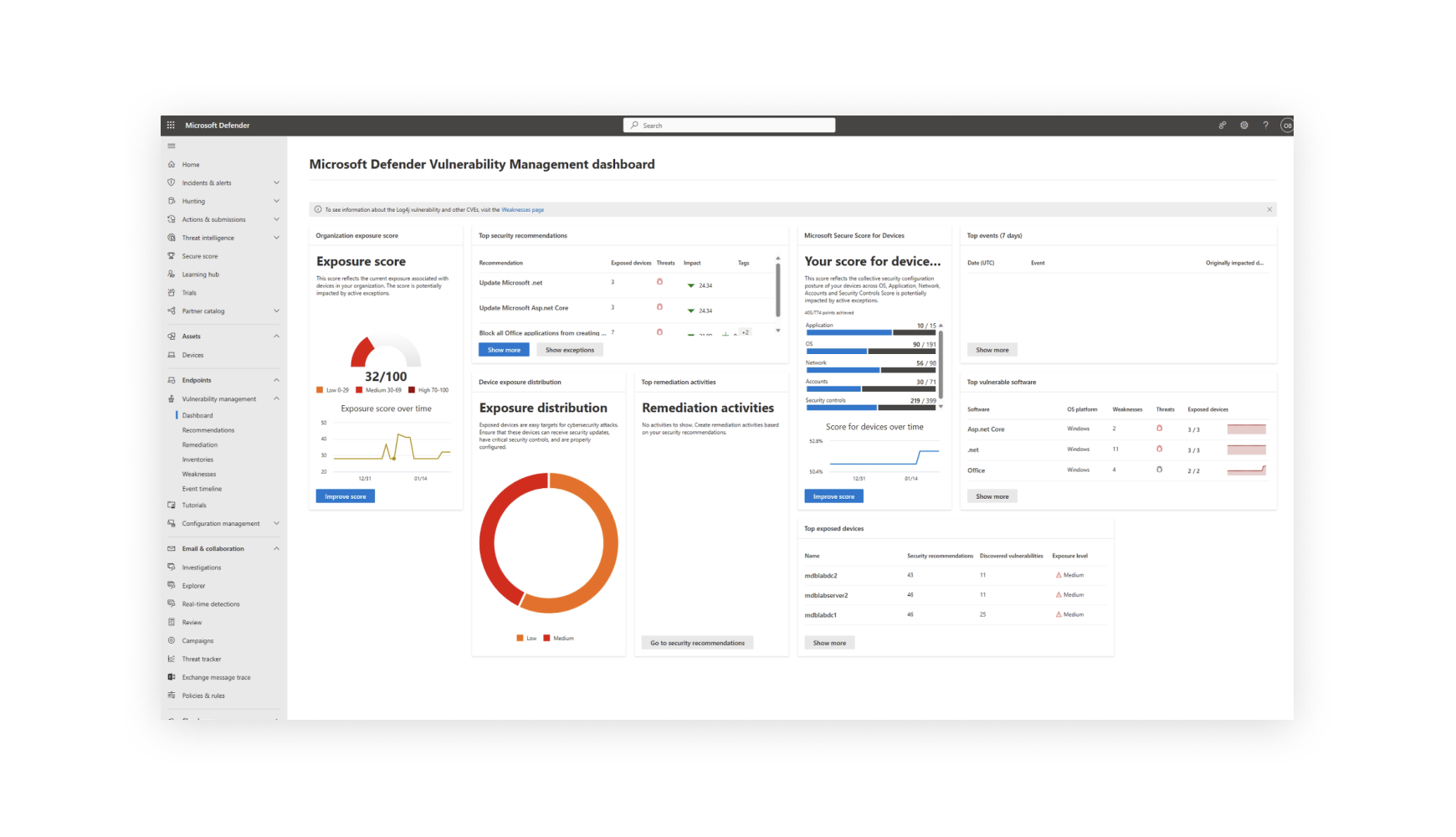
Security is a top concern for any business moving to the cloud — especially in industries like healthcare, finance, or government. Both Azure and AWS offer robust, enterprise-grade security, but there are some differences worth noting.
- Azure provides deep integration with Microsoft’s security ecosystem and boasts over 90 compliance certifications, including HIPAA, SOC, and GDPR. Its security tools — like Microsoft Defender and Sentinel — are tightly embedded across the platform.
- AWS offers a wide range of security services, including GuardDuty, Shield, and Inspector. It also maintains extensive compliance certifications and is trusted by organizations with highly sensitive data, including government agencies.
The main difference? Azure might be more familiar and accessible for teams already using Microsoft services. AWS can offer more customization for advanced security setups or broader enterprise needs.
Either platform can meet high compliance standards — the better fit depends on what tools you already use and how much control you want over security configurations.
| Learn How Azure Protects Your Cloud Assets |
|---|
| Curious about how Microsoft Azure handles real-world cloud security threats? We’ve outlined exactly how it tackles risks like data loss, infrastructure vulnerabilities, and human error — and how it helps businesses like yours stay protected. |
| Read the Full Blog → |
Azure vs AWS on Scalability & Flexibility
As your business grows, your cloud platform needs to keep up — without constant rework or downtime. Both Azure and AWS are built to scale, but they approach it a little differently.
- AWS is often seen as the most flexible platform on the market. It offers an incredibly wide range of services, tools, and configurations — ideal for custom solutions, fast-changing needs, or businesses with in-house tech teams ready to fine-tune their setup.
- Azure also scales well, especially in Microsoft-heavy environments. It’s built for enterprise-level workloads and integrates neatly with on-premise systems through tools like Azure Arc and Hybrid Cloud capabilities.
If you need broad flexibility and you're building something highly custom, AWS may give you more room to innovate. If your goal is to scale within a familiar Microsoft ecosystem with less friction, Azure might make the process simpler.
Azure vs AWS on Pricing & Licensing
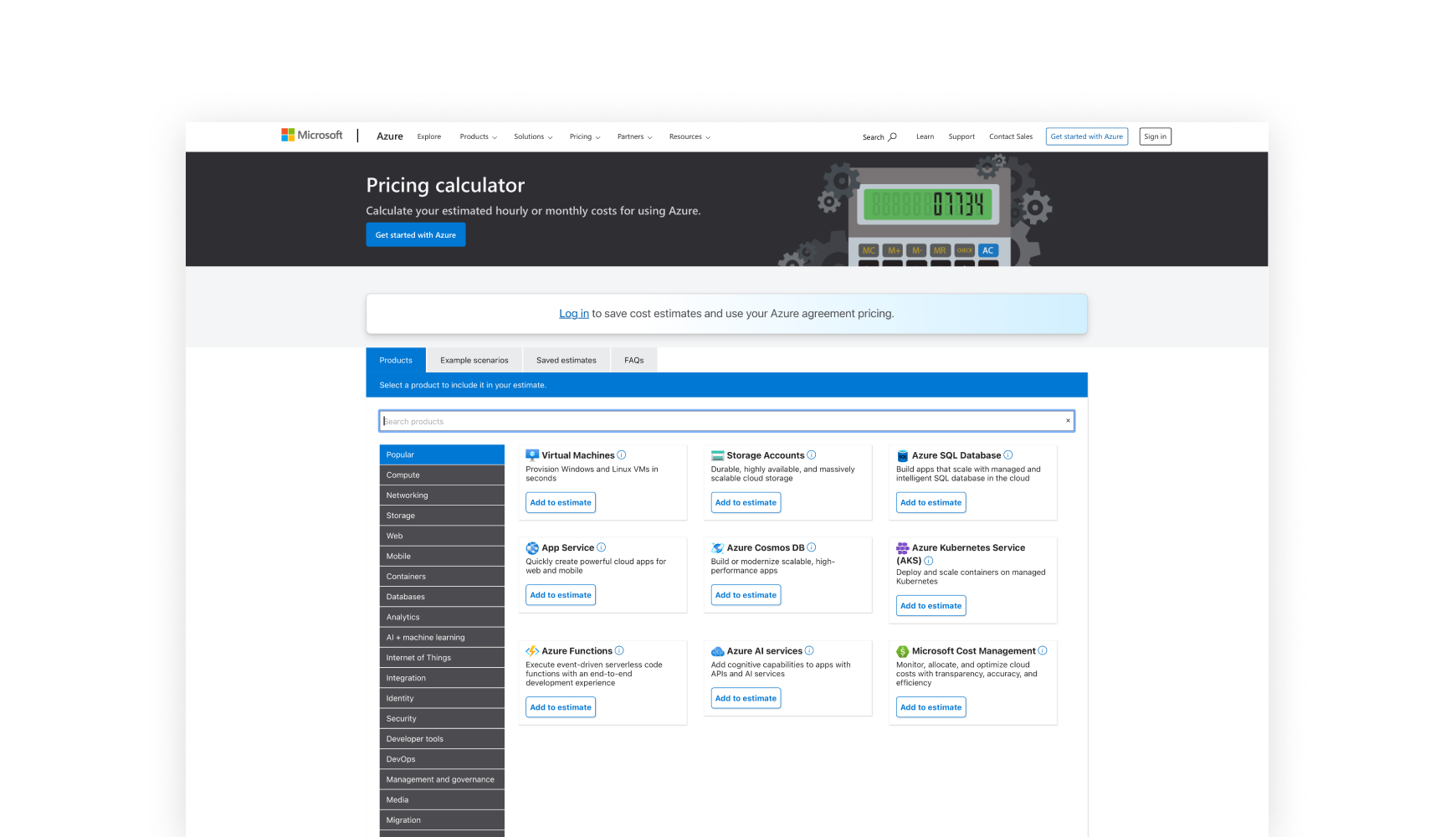
Cost is always a factor — but so is understanding what you’re paying for. Both Azure and AWS use pay-as-you-go pricing models, letting you scale usage up or down based on demand. But there are a few key differences:
- Azure offers licensing advantages for businesses already using Microsoft products. With the Azure Hybrid Benefit, you can apply existing Windows Server or SQL Server licenses to reduce costs — a potential win for companies already in the Microsoft ecosystem.
- AWS provides a wide range of pricing options and discounts, including reserved instances and spot pricing. It can be highly cost-effective, especially for businesses willing to commit to longer-term usage or optimize usage manually.
While both platforms offer ways to save, Azure often delivers better value for Microsoft-centric businesses, while AWS may reward more technical teams who actively manage their setup for efficiency.
Azure vs AWS on Hybrid Cloud Capabilities
Many SMBs aren’t ready to move everything to the cloud — and that’s okay. A hybrid approach lets you run some systems on-premise while moving others to the cloud, offering flexibility without disruption.
- Azure has a strong edge here, thanks to tools like Azure Stack and Azure Arc. These services let you extend Azure’s capabilities to your own servers, making it easier to build a consistent environment across both local and cloud systems.
- AWS also supports hybrid cloud through AWS Outposts and tools like VPNs and Direct Connect. It’s powerful, but more commonly used in large-scale enterprise setups with specialized infrastructure needs.
If you’re planning a gradual cloud migration or need to keep certain data on-site due to compliance or performance reasons, Azure may offer a smoother, more familiar hybrid setup — especially for Microsoft-heavy environments.
Final Thoughts
The Azure vs AWS decision depends on how each platform fits your business goals, systems, and growth plans. Both offer reliable, enterprise-grade cloud solutions — but they support different strengths.
Azure tends to be a natural fit for businesses already using Microsoft products, thanks to seamless integration and licensing benefits. AWS stands out for its flexibility, especially when custom infrastructure or diverse technologies are involved.
At Convergine, we work with small and mid-sized businesses to evaluate cloud options clearly — helping you build a solution that delivers on performance, security, and cost-efficiency.
| Let’s Build the Right Cloud Solution for Your Business |
|---|
| Whether you're leaning toward Azure, AWS, or still evaluating your options, our team can help you make the right move. We work with small and mid-sized businesses to design cloud strategies that are efficient, scalable, and aligned with real business goals. |
| Book a Discovery Call → |