

Compare Craft Commerce vs Magento on performance, flexibility, and cost to find the right e-commerce platform for your business. See which one fits your…
In this post, we’ll break down Craft Commerce vs Magento—two leading e-commerce platforms that take very different approaches to customization, content, and scalability. One offers lean flexibility for custom builds, the other brings heavyweight infrastructure for large-scale retail. The right choice depends on how much control you need, how your team works, and what kind of customer experience you’re aiming to deliver.
In the end, we’ll share which platform makes more sense for businesses that want a custom, content-driven e-commerce experience without the weight of legacy systems.
What is Craft Commerce?
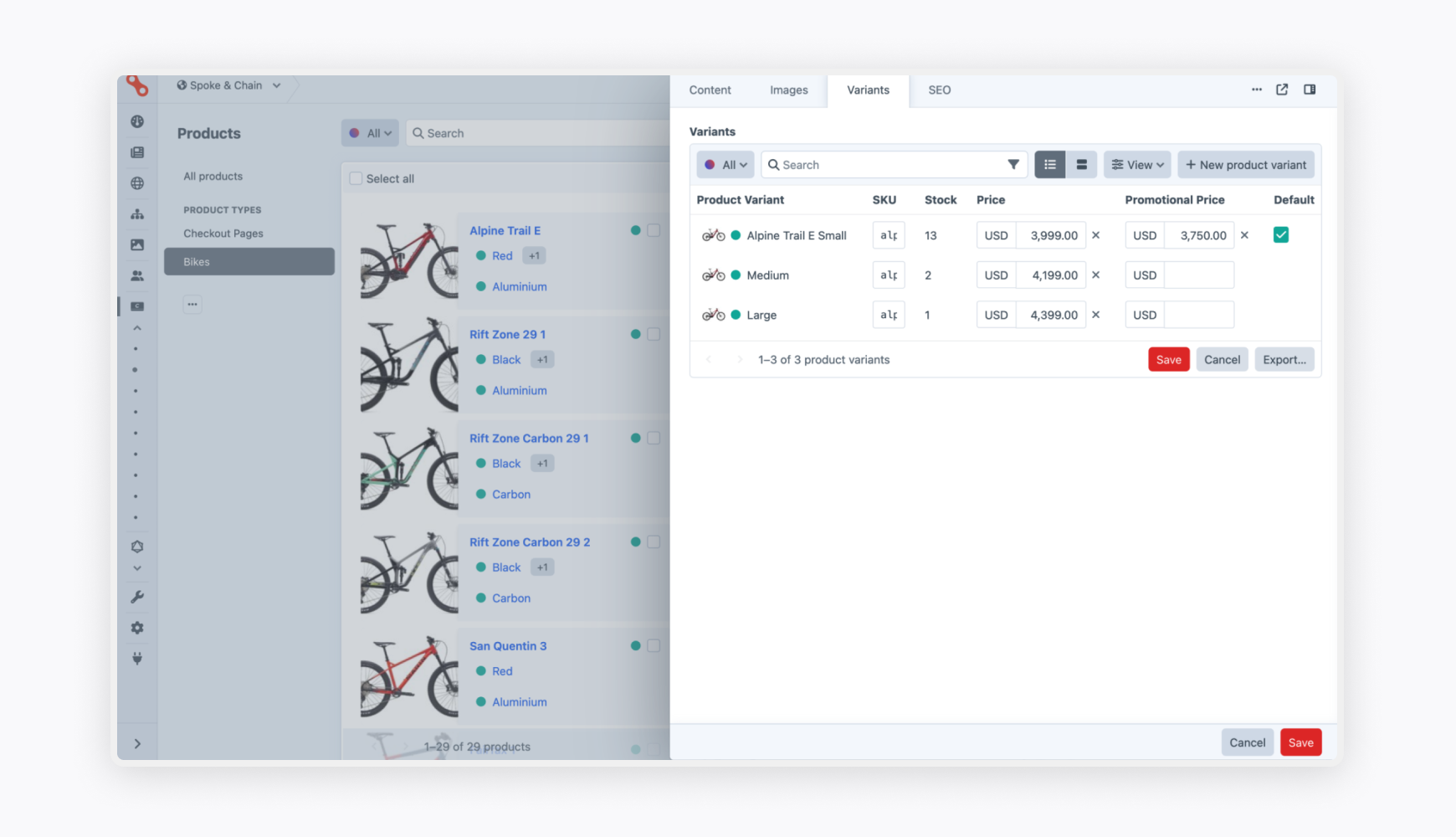
Craft Commerce is a customizable e-commerce platform built to create flexible, content-driven online stores. It handles everything from product management and checkout to orders and payments, giving developers full control over how the store functions and looks.
It was developed by Pixel & Tonic as an extension of Craft CMS, a content management system known for its clean architecture and user-friendly interface. Craft Commerce is a good fit for businesses that need a tailored e-commerce solution without the weight of prebuilt constraints.
What is Magento?
Magento is a feature-rich e-commerce platform used to build and manage online stores. It offers tools for product management, customer accounts, payments, shipping, and more—all designed to support complex and large-scale retail operations.
Originally developed by Varien and released in 2008, Magento is now owned by Adobe and available in two versions: the free Magento Open Source and the enterprise-level Adobe Commerce.
How Craft Commerce Compares to Magento
While both platforms offer serious e-commerce capabilities, they approach flexibility, performance, and content very differently. Below, we break down the key areas where Craft Commerce and Magento diverge—and what that means when choosing the right fit for your business.
| Aspect | Craft Commerce | Magento |
| Flexibility | Fully customizable | Customizable, but complex |
| Ease of Use | Clean and user-friendly | Steep learning curve |
| Performance | Fast out of the box | Needs optimization |
| Content Integration | Seamless with Craft CMS | Limited, often needs external CMS |
| Cost | Lower ongoing costs | Higher setup and maintenance |
1. Craft Commerce vs Magento on Flexibility
Craft Commerce is built for customization from the ground up. It doesn’t assume what your store should look like or how it should behave. You define the product types, relationships, checkout flow, and front-end design—nothing is forced. This makes it a strong choice for businesses with unique requirements, unusual pricing models, or content-rich experiences that need to feel seamless and on-brand.
Magento is technically flexible, but the process is heavier. It comes with a lot of built-in functionality, which sounds great—until you need to change how something works. Then you’re dealing with overriding core behavior, managing dependencies, and navigating a more rigid framework. You can customize it, yes—but it often takes more time, more code, and more budget to get there.
2. Craft Commerce vs Magento on Developer & Admin Experience
Craft Commerce is designed with developers and content teams in mind. The codebase is clean, modern, and easy to work with—especially for teams already familiar with Craft CMS. The admin interface is straightforward, making it simple to manage products, orders, and content without needing constant technical help.
Magento, on the other hand, has a steeper learning curve on both sides. Developers often need specialized knowledge to work efficiently within its framework, and even small changes can involve complex workflows. For admin users, the interface can feel dense and overwhelming, particularly for non-technical teams.
3. Craft Commerce vs Magento on Performance & Scalability
Craft Commerce is lightweight and optimized for speed right out of the box. Because you’re only building what you need—nothing more, nothing less—it performs well without relying on heavy caching or infrastructure tweaks. It also scales cleanly as the business grows, especially when paired with a modern hosting stack.
Magento is built to handle scale, but its architecture is heavier. It can manage high volumes of traffic and large catalogs, but that performance depends heavily on how well it’s optimized. Without proper caching, dedicated infrastructure, and ongoing tuning, it can slow down quickly under pressure.
4. Craft Commerce vs Magento on Content Integration
Craft Commerce is deeply integrated with Craft CMS, giving you a unified system for managing both content and commerce. This means your marketing pages, product listings, blog posts, and custom content types all live in one place—with a consistent editing experience. It’s especially useful for businesses where storytelling, education, or long-form content is part of the sales process.
Magento includes some basic CMS features, but it’s limited in flexibility and ease of use. For anything beyond simple pages, teams often end up integrating a separate CMS—like WordPress—or building custom workarounds. This adds complexity, more systems to manage, and can create inconsistencies in content management.
5. Craft Commerce vs Magento on Cost of Ownership
Craft Commerce has a lower overall cost footprint. The licensing is straightforward, and since the platform is lean, you’re not paying for features you don’t need or over-investing in hosting. Development tends to be more efficient as well—especially for custom projects—because you’re not working around a bloated framework.
Magento, particularly Adobe Commerce, comes with higher setup and maintenance costs. Hosting needs are heavier, customizations take longer, and updates can be more involved. For enterprise teams with the budget and resources, that investment may make sense. But for many businesses, the overhead adds up quickly—especially if the features aren’t fully used.
So, What Do We Recommend?
For most businesses looking to build a flexible, content-rich e-commerce site without the overhead of a heavyweight system, Craft Commerce is the better fit.

As a Craft CMS Verified Enterprise Partner, we’ve worked with this platform across a wide range of industries and project types. It gives us the freedom to design exactly what our clients need—without fighting against the limitations of a rigid system.
Magento still has its place, especially for enterprise teams with large, complex setups. But if you’re after a clean, modern, and highly customizable solution that puts performance and usability first, Craft Commerce is what we recommend.
Let’s Build Something Better |
|---|
| If you're planning a new e-commerce website—or rethinking your current one—we can help you design and build it on Craft Commerce. Our team combines clean design, scalable development, and deep Craft expertise to deliver custom e-commerce solutions that actually work for your business. |
| Get in Touch |
Frequently Asked Questions
- Is Craft Commerce suitable for large e-commerce stores?
Yes—while it’s lean by design, Craft Commerce can scale effectively with the right infrastructure. It’s especially well-suited for custom, content-heavy stores that need more flexibility than traditional platforms offer. - How does Craft Commerce handle integrations like payments, shipping, or CRM?
Craft Commerce supports integrations through plugins or custom development. We’ve connected it with platforms like Stripe, PayPal, HubSpot, Zoho, shipping APIs, and various CRMs based on project needs. - Can I migrate from Magento to Craft Commerce?
Yes. We’ve handled migrations from Magento and other platforms to Craft Commerce, including product data, customer records, and content. The process depends on the complexity of your current setup. - Does Craft Commerce support multi-language or multi-currency?
Yes. Craft Commerce supports both, and we can implement internationalization features as part of a custom build.