

Yes, AI predicts cyber attacks— but with an important caveat: AI doesn’t predict the future like a crystal ball. What it does is far more useful. By analyzing large volumes of data — from network traffic to user behaviour and threat intelligence feeds — AI can detect early signs of malicious activity and flag potential threats long before they escalate into full-blown attacks.
That matters. Cyber-attacks are rising fast. In 2025, ransomware and extortion-based attacks accounted for more than half of all incidents globally, according to Microsoft’s Digital Defense Report 2025.
Data breaches remain costly, with the global average breach cost reaching $4.45 million, based on IBM’s research cited in Varonis’ 2025 cybersecurity statistics.
Even simpler attack types like DDoS are surging: Cloudflare reported a 170% year-over-year increase in DDoS activity, with up to one attempt per second in peak periods, as seen in PC Gamer’s coverage.
In this post, we’ll unpack what “predicting” a cyber-attack actually means with AI—the value, the limitations, and how AI-driven detection and response can help you stay ahead of ever-evolving threats.
| Not Sure Where to Start with Cybersecurity? |
|---|
| Before exploring AI, make sure your foundational practices are covered. |
| Explore 8 Cybersecurity Tips for Small Businesses |
How AI Helps Predict or Detect Cyber Attacks
Cyber threats evolve fast — too fast for traditional security tools to keep up.
AI addresses this gap by analyzing massive volumes of data in real-time to spot early warning signs, predict breaches, and trigger instant responses to contain threats. These systems help security teams respond faster and more effectively than manual monitoring alone.
Let’s break down the key ways AI strengthens cyber defenses:
1. Pattern- and Anomaly-Based Detection
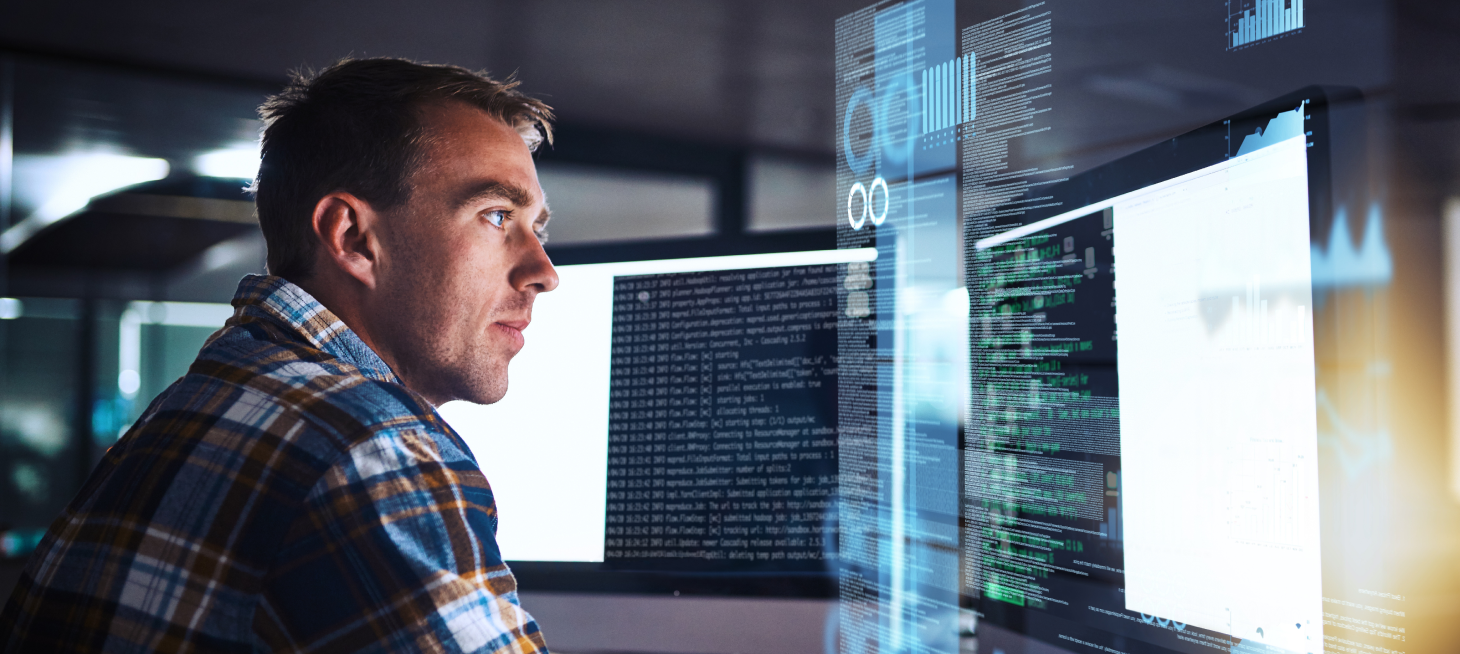
AI systems monitor what normal activity looks like across your network — logins, traffic flow, data usage. When something deviates from that baseline, like an unexpected login location or a sudden spike in file transfers, it’s flagged as suspicious. This kind of AI threat detection helps catch early signs of a breach before any damage is done.
2. Threat Intelligence & Predictive Analytics
By comparing your system behavior with known attack patterns and global threat feeds, AI can spot correlations that humans might miss. This combination of internal monitoring and external intelligence enables AI in cybersecurity to anticipate threats before they happen — not just react after the fact.
3. Real-Time Monitoring and Automated Response
AI runs 24/7 and reacts instantly. If it spots something risky — like repeated failed logins or data exfiltration — it can isolate systems, alert your team, or even take corrective action automatically. This AI-powered real-time threat response is faster than any manual system.
4. Detecting Unknown Threats
Many cyberattacks today use new or modified malware that traditional tools don’t recognize. AI doesn’t need a known signature to act. It learns behavior patterns and catches unfamiliar threats through behavior-based threat detection — even if they’ve never been seen before.
What “Predict” Really Means — And What It Doesn’t

When we talk about AI predicting cyber attacks, it's important to set realistic expectations. AI can analyze patterns, spot risks, and flag suspicious activity—but it's not a magic shield.
“Predict” ≠ “Prevent with certainty.”
AI can flag risk or anomalies, but can't guarantee you’ll catch every possible attack — especially brand‑new or highly sophisticated ones. Think of it more like early warning radar than a fortress wall.
Needs quality data & tuning.
The models work by learning patterns — if your data is noisy, incomplete, or unrepresentative, predictions will be weak. Regular tuning and human oversight remain vital.
Can’t eliminate human‑driven factors fully.
Some attacks exploit social engineering, human error, or zero‑day vulnerabilities. AI can make detection harder, but social and organisational hygiene must remain part of your security strategy.
Looking Ahead: Smarter Security Starts with the Right Questions
AI continues to evolve as a powerful tool in the fight against cyber threats. But like any tool, its impact depends on how you use it. The real opportunity lies in combining machine learning with human expertise, clear policies, and strong foundational security.
For businesses—especially SMBs—the key isn’t chasing the flashiest tech. It’s asking the right questions:
What data are we collecting, and is it clean enough for AI to learn from?
Are we combining automated tools with human oversight?
How can AI help our team respond faster and smarter to emerging threats?
In the near future, we may see systems that not only detect threats as they unfold but also take autonomous steps to contain and mitigate them instantly.
For now, AI's biggest value lies in detection and early warnings. It gives cybersecurity teams more visibility, faster reactions, and stronger defenses—without replacing the need for human judgment. As the technology matures, the line between prediction and prevention will only get thinner.
| How Secure Is Your Business Today? |
|---|
| Cyber threats are evolving fast — and knowing your current risk level is the first step to staying protected. Mastercard’s free Cybersecurity Assessment Tool helps small businesses identify vulnerabilities and get tailored recommendations to improve their security posture. |
| Try the Assessment |