

Most retention advice sounds the same — build a community, reward loyalty, delight your customers. Here's what it looks like when you approach retention the way a technology company does: through your website, your systems, and the digital experience your customers deal with every day.
Search "customer retention strategies" and you'll get the same list every time: build a community, reward loyalty, surprise and delight your customers. None of it is wrong. But it's the kind of advice that could come from a branding agency, a coffee shop, or a software company — which means it rarely tells you what to actually change.
Here's what most of those lists leave out: for the majority of businesses today, retention is won or lost in the digital experience. How fast you answer a question. How easy your website is to use. Whether your systems talk to each other — or quietly drop customers in the gaps between them. That's the layer our team works in every day, so that's the lens we'll use here.
We've spent over a decade building websites, applications, and integrations for companies in healthcare, finance, manufacturing, HVAC, and beyond. Across 300+ projects, one pattern holds: the businesses that keep customers aren't the ones with the loudest brand. They're the ones who made staying easy. Let's break down what that looks like.
What Is Customer Retention?

Customer retention is your ability to keep the customers you've already earned — to turn a first purchase or first project into a second, a third, and a long-term relationship. It's measured in retention rate, churn rate, repeat and renewal rates, and customer lifetime value.
The concept is simple. The part most businesses underestimate is where retention actually happens: not in a campaign, but in the hundreds of small digital interactions a customer has with you between purchases.
Why Retention Is Really a Digital Problem Now
Retention has always been good economics. It costs far less to keep a customer than to win a new one, and loyal customers buy more over time and refer others. Research reported by the Harvard Business Review found that increasing retention by just 5% can lift profits by 25% to 95%.
What's changed is where that relationship lives. Your customers interact with your business through your website, your portal, your emails, and your support channels — often more than they ever speak to a person. If those digital touchpoints are slow, confusing, or disconnected, no loyalty program will save the relationship. If they're fast, clear, and connected, retention starts to take care of itself.
Steve Jobs framed it well:
“You've got to start with the customer experience and work backwards to the technology.”
Here's what that looks like in practice — fifteen strategies, all grounded in the technology and web experience your customers actually use.
15 Technology-Driven Customer Retention Strategies
1. Make digital onboarding effortless
The first week decides a lot. If a new customer has to hunt for how to get started, they disengage before they ever see the value. Guide them: a clear welcome flow, a simple self-serve account setup, progress indicators, and a first-run experience that gets them to their first win quickly. Good onboarding is designed, not left to chance.
2. Answer questions the moment they're asked
Most customers don't wait. If they have a question at 9 PM and your site can't answer it, they go looking elsewhere. An AI assistant trained on your own content can respond instantly, around the clock, and hand off to your team when it matters. We dug into this in Your Website Still Can't Answer a Simple Question.
3. Personalize using the data you already have
Customers notice when you treat them like everyone else. Use the data you already collect — past purchases, behavior, support history — to tailor what they see: relevant recommendations, content that fits their stage, support that already knows their history. Personalization isn't about knowing everything; it's about not making customers repeat themselves. (More in our piece on personalization.)
4. Connect your website, CRM, and inbox
Most customers slip away in the gaps between systems — a form that never reaches the right person, a follow-up nobody sent, a history no one can see. When your website, CRM, and inbox are connected, every customer has one continuous record, and nothing falls through the cracks. This is often the single highest-impact change a business can make.
5. Make renewals, refunds, and account changes self-serve
Nothing erodes a relationship faster than having to email someone to do something simple. Let customers manage their own accounts — update details, renew, cancel and come back, download an invoice — through a portal or their account area. Self-serve isn't about doing less for customers; it's about respecting their time.
Jeff Bezos put it best:
“The best customer service is if the customer doesn't need to call you, doesn't need to talk to you. It just works.”
6. Turn feedback into a system, not a survey you forget
Feedback only helps if it's captured where the experience happens and actually acted on. Build it in: a short prompt after a support ticket, a rating on a key page, a quick check-in after onboarding — flowing straight into your CRM so patterns are visible and someone follows up. Closing the loop is what turns a frustrated customer into a loyal one.
As Bill Gates said:
“Your most unhappy customers are your greatest source of learning.”
7. Watch the behavioral signals that predict churn
Customers rarely announce they're leaving — but their behavior does. Logins tail off. Usage drops. Support tickets spike, or go quiet. Your analytics already hold these signals; the work is watching for them and triggering a human check-in or a helpful nudge before the customer is gone. Retention is far cheaper than win-back.
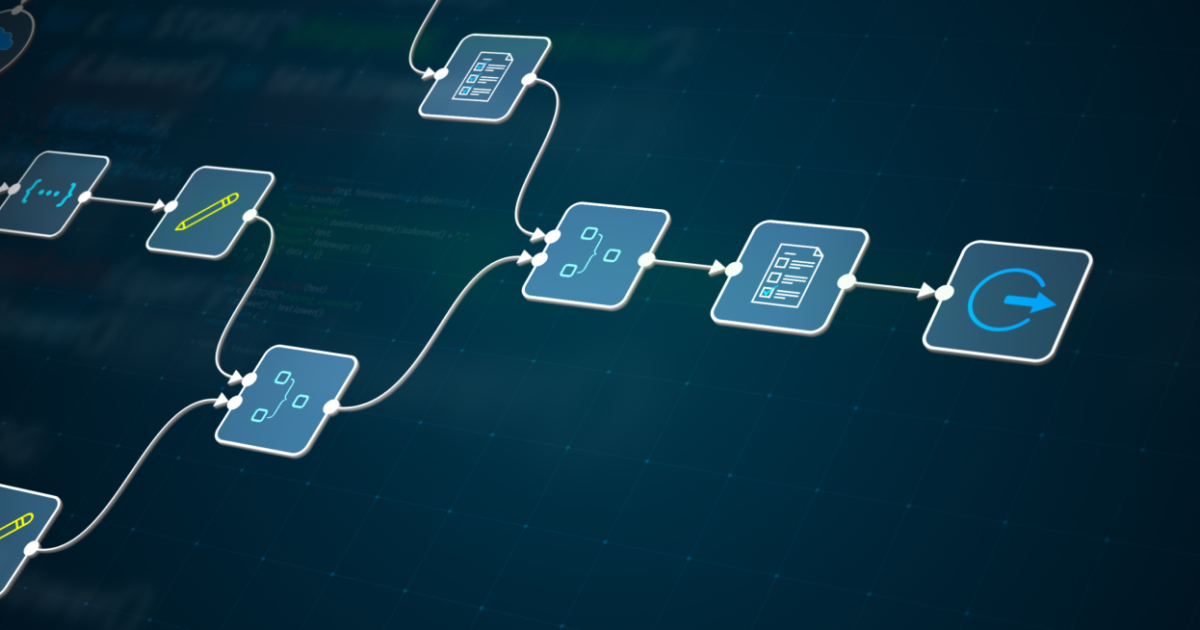
8. Automate the follow-ups that fall through the cracks
The tasks that keep customers — renewal reminders, onboarding nudges, "we noticed you paused" check-ins — are exactly the ones a busy team forgets. Automating them means they happen every time, on schedule, without anyone remembering to hit send.
Bill Gates's rule of automation is worth remembering:
“The first rule of any technology used in a business is that automation applied to an efficient operation will magnify the efficiency. The second is that automation applied to an inefficient operation will magnify the inefficiency.”
Which is the point: automate a good process and it gets better; automate a broken one and you just break things faster.
9. Make your site fast and reliable — every time
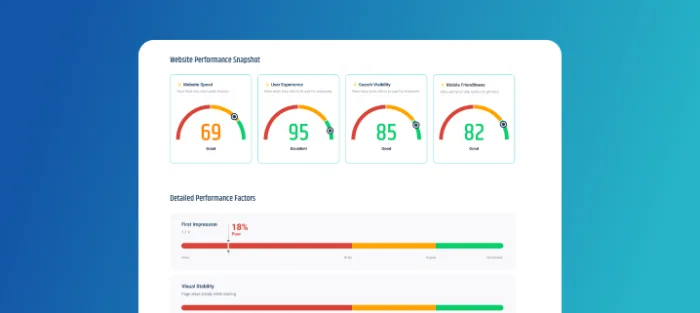
Speed and stability aren't technical niceties; they're retention factors. A slow page, a broken checkout, or a portal that's down at the wrong moment tells a customer you're not dependable. Consistent performance — good site speed, solid uptime, no surprises — is quiet, and that's the point. Reliable is a feeling customers come back for.
10. Obsess over usability
Every extra click, confusing label, or unnecessary form field is a small reason to give up. The easier your site and product are to use, the more customers get out of them — and the less they think about leaving. A focused UX review often finds the friction you've stopped noticing.
11. Help customers help themselves
An educated customer is a retained customer. A searchable help center, clear guides, and short how-to content let people solve problems on their own schedule — and get more value from what they bought. It also takes pressure off your support team, so they can focus on the conversations that matter.
12. Meet customers on whatever device they're on
Your customers move between phone, laptop, and tablet without thinking about it. If the experience breaks on mobile, or an account feature only works on desktop, that's friction you control. A responsive, accessible experience across every device keeps the relationship consistent wherever customers pick it up.
13. Earn trust by protecting their data
Trust is part of retention, and nothing breaks it like a security lapse. Keeping customer data safe — secure logins, sensible privacy practices, a platform that's kept up to date — rarely gets noticed when it's done right, and never gets forgiven when it isn't. From a business perspective, security is a retention investment.
14. Keep people informed with proactive notifications
Silence creates anxiety; a well-timed update builds confidence. Order confirmations, status changes, renewal reminders, appointment notices — the right message at the right moment tells customers they're taken care of without them having to ask. Done well, proactive communication prevents the support requests it replaces.
15. Remove friction from every transaction
The moment a customer is trying to give you money or take an action is the worst possible time to make them work. Saved details, fewer form fields, autofill, a checkout or booking flow that just works — every bit of friction you remove is one less reason to abandon and one more reason to come back.
Final Thoughts
Notice what's missing from this list: gimmicks. None of these strategies are about being clever — they're about making your business easy to deal with, in the places your customers actually spend their time. That's the difference between retention as a slogan and retention as something you build.
From our experience, retention rarely comes from one big move. It comes from getting the small digital things right, consistently — and from connecting them so the whole experience holds together. Some are quick wins; others take planning. All of them are the kind of work our team does every day.
| Need help turning these strategies into action? |
|---|
| Whether it’s refining your customer journeys, building smarter digital experiences, or setting up the systems that keep people coming back—we can help. Let’s talk about what’s next for your business. |
| Book a Call |
Frequently Asked Questions
1. Is customer retention a marketing problem or a technology problem?
Both — but for most businesses today, the day-to-day experience that keeps customers is digital. How fast you respond, how easy your site is to use, and how well your systems work together often matter more than any single campaign.
2. What's the highest-impact technology change for retention?
It depends on where your friction is, but connecting your website, CRM, and inbox is usually near the top — it stops customers from slipping through the gaps between systems. Fast, reliable performance is a close second.
3. Do these strategies require a full website rebuild?
No. Most are additive — a chatbot, an integration, a self-serve portal, a round of performance and UX fixes — layered onto what you already have. We covered this directly in How Your Craft CMS Website Can Get Smarter Without a Rebuild.
4. How do we know it's working?
Track the business metrics — retention rate, churn, repeat and renewal rates, and customer lifetime value — alongside digital signals like response time, support deflection, and how often customers log in or return. If those are moving in the right direction, your strategy is doing its job.