

Website health covers speed, security, SEO, mobile performance, and user experience. When ignored, small issues pile up and quietly hurt your results.
Most websites don’t crash overnight. They start underperforming in small ways—pages slow down, forms stop working on mobile, traffic dips, leads drop off. These issues often go unnoticed until the results are hard to ignore.
Think of your website like your body. You don’t wait until something breaks to go for a check-up—at least, you shouldn’t. A few ignored symptoms here and there? Eventually, they catch up with you. Same with your site. Laggy pages, outdated plugins, broken links—they may not look serious on the surface, but they add up fast.
Website health audit is how you catch those problems early. It’s a full check-up on how your site is performing—technically and strategically. That includes speed, security, mobile usability, search visibility, accessibility, and user experience. A strong site should handle all of that without friction.
And if it doesn’t, it’s probably holding your business back more than you realize.
What You Might Not Realize Is Hurting Your Website Health
1. Speed and Performance
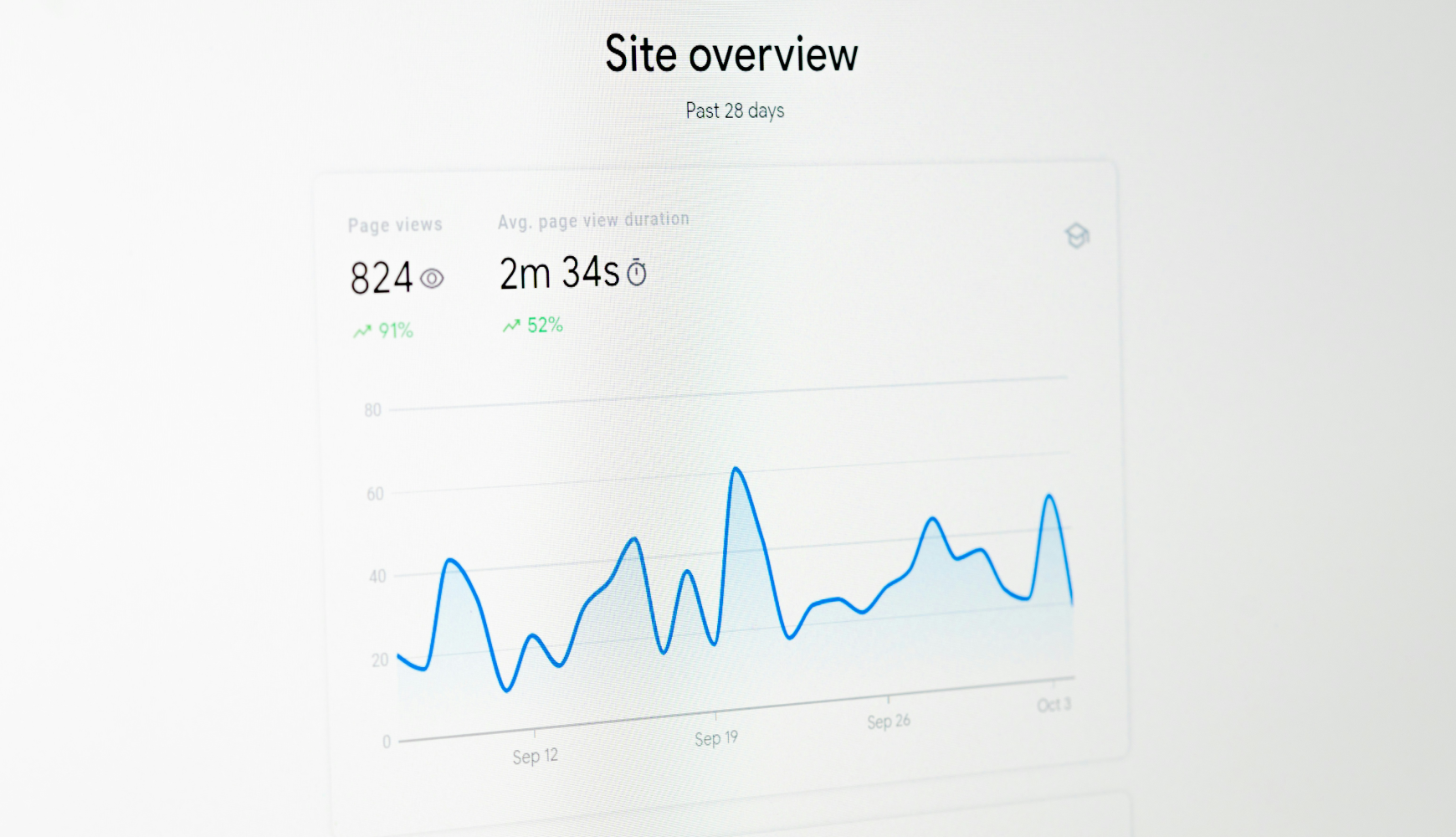
If your site takes more than three seconds to load, people start leaving. That sounds harsh, but the data backs it up—and search engines notice too. A slow site can also increase your ad costs, since platforms like Google factor in page speed when deciding what you’ll pay. Common culprits include oversized images, bloated code, or too many third-party tools running in the background.
2. Security
It’s easy to assume your site is secure—until it’s not. Things like expired SSL certificates, outdated plugins, or old admin panels can open the door to security issues. Sometimes, sites even get flagged by Google or blacklisted without the business knowing. These issues don’t just put your data at risk—they damage trust, fast.
3. Mobile and Browser Compatibility
Most traffic comes from phones now, but plenty of websites are still built with desktop in mind. Just because it looks fine on your laptop doesn’t mean it holds up on an iPhone or in Safari. Broken layouts, buttons that don’t work, or text that’s too small can quietly turn people away.
4. Search Visibility
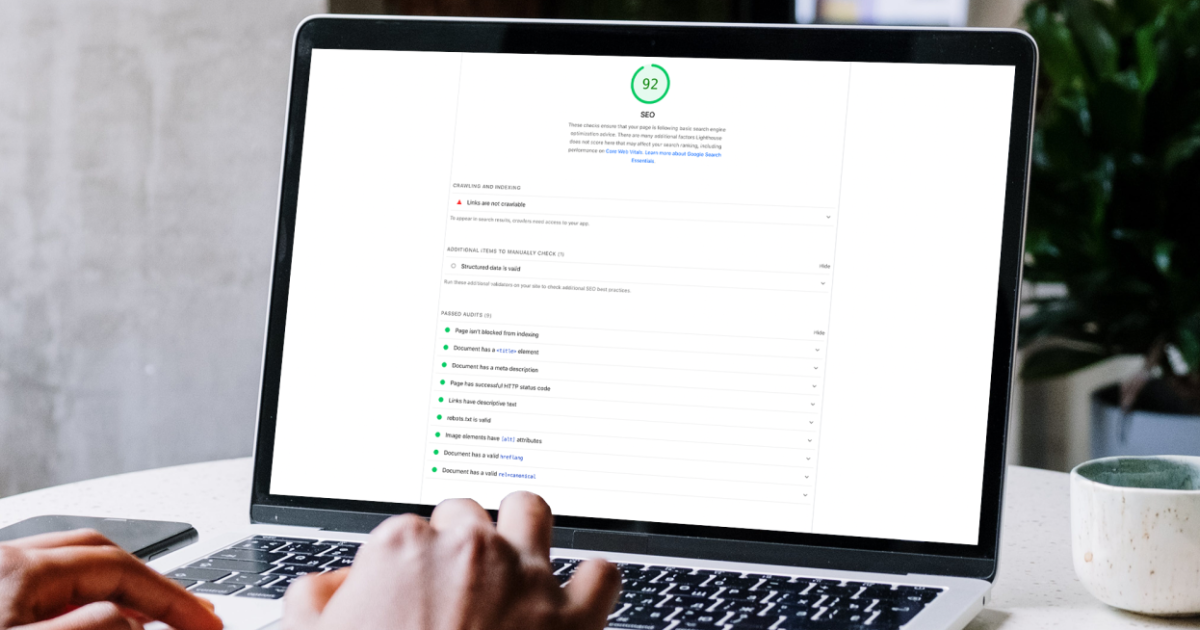
A site might look great, but if search engines can’t read it properly, it won’t show up. Pages can fall through the cracks because of crawl errors, broken links, or missing metadata. Even solid content can underperform if the technical setup isn’t right. This is the stuff most people don’t see until traffic starts to drop.
5. User Experience (UX)
If users can’t find what they need quickly, they don’t stick around. Confusing menus, dead-end pages, or slow-to-load contact forms are small things that add up. The tricky part is, most businesses don’t see these issues themselves—because they already know where to click. New visitors don’t.
6. Accessibility
A lot of websites unintentionally block out users with disabilities. Missing image tags, poor contrast, or elements that can’t be accessed with a keyboard are common problems. Accessibility isn’t just about doing the right thing—it’s also a legal requirement in many industries, and it helps you reach a wider audience.
Why Website Health Should Be on Your Radar
Many of these issues build up gradually. The site still works—but it doesn’t work well. That means missed opportunities, lower traffic, and a poor experience for users. Regular website audits give you a clear view of how your site is holding up and where it needs attention.
For companies in healthcare, finance, e-commerce, government, and other high-trust industries, this matters even more. Speed, privacy, and accessibility are no longer nice-to-haves—they’re expectations.
Request a Website Health & Performance Audit

If your site hasn’t had a check-up in a while, now’s a smart time to do it. Just like you wouldn’t skip a physical when something feels off—or even when it doesn’t—your website benefits from the same kind of routine care.
An audit gives you a clear look at what’s in good shape, what needs attention, and what might be quietly slowing things down.