


The top ecommerce trends in 2026 include AI-powered personalization, voice commerce, augmented reality, sustainability transparency, and hyperlocal fulfillment. These five trends are reshaping how customers shop and how businesses deliver.
Ecommerce is entering a new phase defined by intelligent automation, immersive technologies, and rising consumer expectations. Standard improvements like faster sites or better navigation will no longer be enough. In 2026, growth will depend on how well a business adapts to emerging tools and capabilities that change how customers discover, evaluate, and purchase products online.
This article outlines the top ecommerce trends in 2026, focusing on five key areas that will influence digital retail strategies across industries. These trends are not experimental—they are already being deployed by leading retailers and are expected to become standard by late 2026.
Businesses that align their ecommerce strategy with these developments will reduce friction, improve margins, and increase customer loyalty.
What Will Shape Ecommerce in 2026: Five Trends That Matter
1. AI-Powered Personalization Across the Full Journey
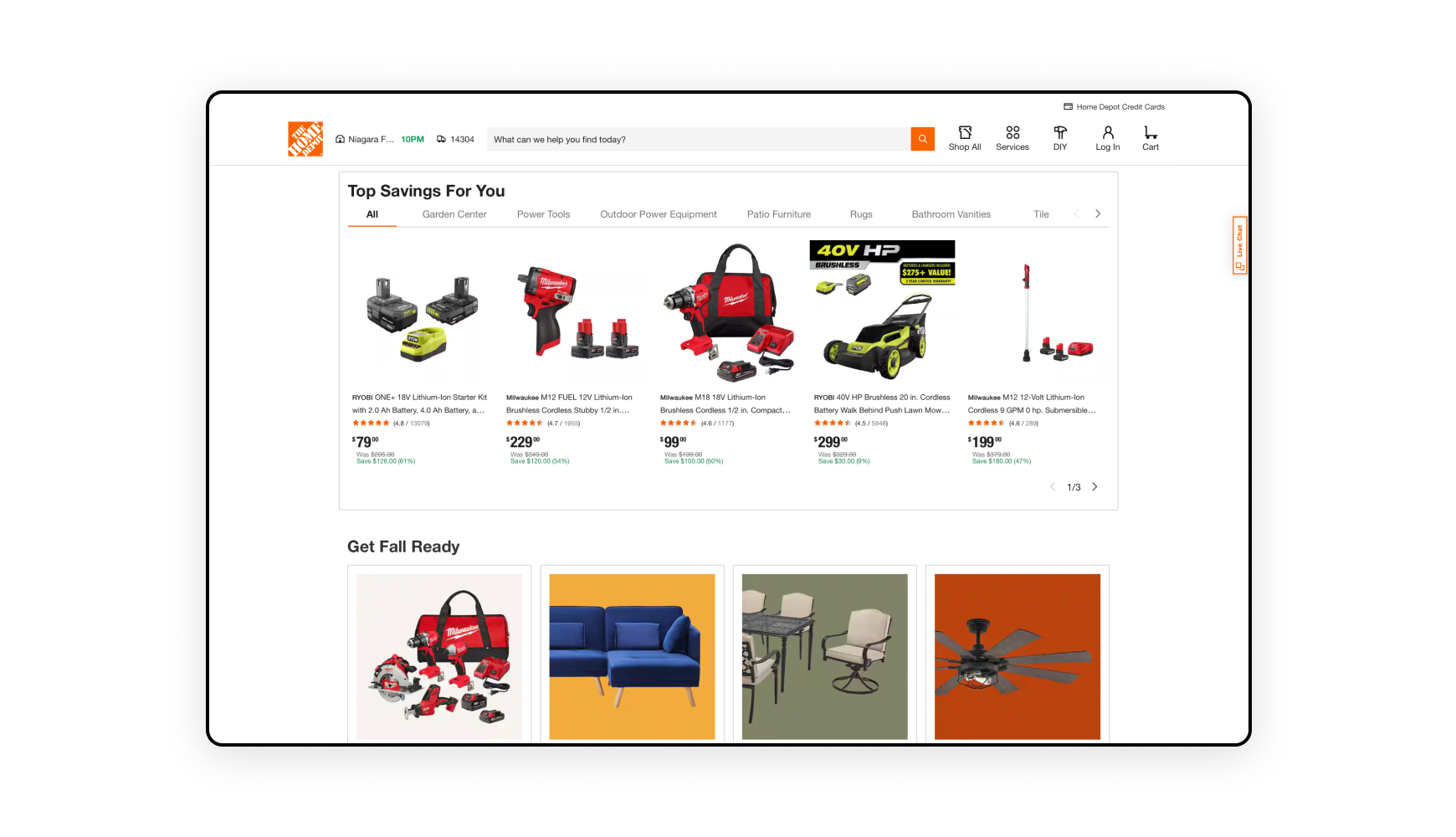
Artificial intelligence will enable ecommerce platforms to dynamically adjust every stage of the user journey—homepage content, navigation flow, product visibility, bundling, and pricing—based on user behavior and contextual signals.
Example:
A customer visits a home improvement site. Based on their past purchases and local weather, the homepage displays seasonal tool bundles, reorder suggestions, and relevant tutorials—all generated in real time.
Why this matters:
Reduces friction, boosts conversions, and increases customer lifetime value through automated relevance. Among the top ecommerce trends in 2026, AI personalization will be one of the most cost-effective levers for revenue growth.
2. Voice Commerce Becomes a Primary Transaction Channel

Smart assistants will evolve from search tools to transactional interfaces. Customers will expect to place orders, find deals, and complete purchases using voice alone.
Example:
A user says, “Buy a travel adapter under $30 with USB-C.” The system checks preferences, applies filters, confirms delivery timing, and completes checkout—hands-free.
Why this matters:
Enables faster, hands-free transactions and improves accessibility across mobile and smart devices. Voice commerce is expected to be one of the top ecommerce trends in 2026, especially for mobile-first markets and routine orders.
3. Augmented Reality as a Default Product Experience

AR will become essential for ecommerce categories where size, placement, and visual compatibility matter. Customers will expect to preview items in their own space before purchasing.
Example:
A shopper previews a lamp in their living room using mobile AR. They adjust color and placement, then view brightness simulation before adding it to cart.
Why this matters:
Increases purchase confidence, reduces returns, and improves engagement for visual product categories. Among the top ecommerce trends in 2026, AR will drive performance in furniture, home goods, and lifestyle retail.
4. Operational Transparency and Sustainability as Conversion Drivers
Buyers will prioritize ethical sourcing, low-impact packaging, and carbon-conscious logistics. These details must be accessible directly on the product page—not hidden on separate policy pages.
Example:
A fashion site lists carbon footprint, fabric origin, and factory conditions beneath each product description. Customers can filter by sustainability attributes and choose carbon-neutral shipping at checkout.
Why this matters:
Improves trust, meets buyer expectations, and aligns with evolving compliance and regulatory standards. Sustainability is one of the top ecommerce trends in 2026 influencing both brand loyalty and conversion rates.
5. Hyperlocal Fulfillment and Predictive Delivery Windows
Same-day delivery will shift from premium service to customer expectation. Ecommerce platforms will rely on local inventory, micro-warehousing, and automated logistics to meet fulfillment promises accurately.
Example:
A customer ordering tech accessories sees: “Order within 30 minutes for delivery by 6 PM.” Inventory is routed from a local distribution point 8 km away.
Why this matters:
Delivers faster with precision, reduces logistics costs, and lowers cart abandonment through reliability. Hyperlocal fulfillment ranks high among the top ecommerce trends in 2026, especially for urban and high-volume retailers.
Final Thoughts
The top ecommerce trends in 2026 point to a retail environment that is faster, smarter, and increasingly customer-driven. AI, automation, and transparency will define success across all stages of the online shopping journey. Businesses that move early on these shifts will outperform competitors still focused on incremental improvements.
To implement these capabilities at scale, ecommerce teams need more than surface-level features. They require integrated infrastructure, automation-ready platforms, and development support built for adaptability and performance.