

Holiday cyber threats spike this season—especially for SMBs. Learn 8 essential ways to secure your website and protect your business before it’s too late.
The holiday season is peak time for online shopping, last-minute service bookings, and—unfortunately—holiday cyber threats. While you're focused on promotions, customer service, and year-end wrap-ups, hackers are busy looking for easy targets. And small to mid-sized businesses? You're high on their list.
Whether you're in e-commerce, healthcare, HVAC, or professional services, your website is your digital storefront—and holiday cyber threats don’t take time off. In fact, they tend to ramp up just when you’re the most distracted.
At Convergine, we’ve seen how quickly things can go wrong when businesses aren’t prepared. So let’s talk about what you can do to stay secure—and keep your holidays hassle-free.
Why SMBs Are Prime Targets for Holiday Cyber Threats
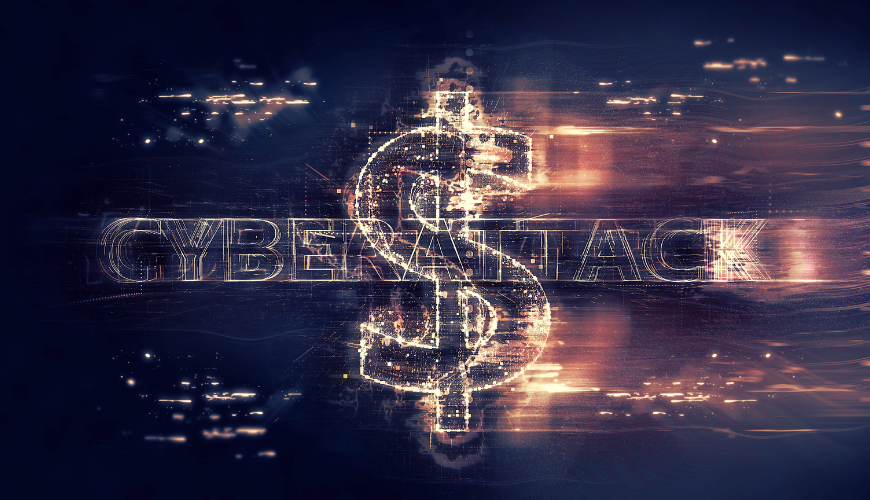
Cybercriminals don’t take time off—they take advantage. The holiday season creates the perfect environment for digital attacks, and small to mid-sized businesses are often at the top of the list. Why? Because you’re busy, distracted, and often unprepared for the unique risks this time of year brings.
Higher Website Traffic Creates More Cover for Attacks
During the holidays, website traffic spikes from shoppers, service requests, and year-end activity. With so many users interacting at once, it becomes harder to identify unusual patterns. This gives attackers the perfect cover to slip in malware, launch brute-force login attempts, or initiate phishing schemes without immediate detection.
Smaller Teams Mean Lower Vigilance
Your internal team is likely stretched thin—handling customer requests, managing campaigns, and taking well-earned time off. That reduced bandwidth often results in less system monitoring, delayed updates, and slower responses to suspicious activity. Cyber attackers are well aware of this seasonal drop in vigilance.
More Transactions Mean More Valuable Data
Increased online transactions mean more sensitive customer data is moving through your website—credit card details, personal information, and login credentials. For hackers, this is a high-value opportunity. Without strong encryption and secure data handling practices, that information is at risk of interception or theft.
Vulnerabilities in Third-Party Integrations
Most SMB websites rely on a mix of third-party tools such as payment processors, CRM platforms, live chat widgets, and marketing plugins. While these tools improve functionality, they can also introduce new vulnerabilities if they aren’t regularly updated or properly configured. One weak integration can open the door to a broader compromise.
The Bottom Line
Holiday cyber threats aren’t just a concern for big-box retailers. SMBs are often viewed as easier targets—less protected, less monitored, and more likely to suffer serious consequences when something goes wrong. Recognizing these seasonal risks is the first step toward preventing them.
Fortunately, staying safe online isn’t as complicated as it sounds. With the right precautions, you can protect your website—and your customers—during the busiest time of year. Here's how:
Holiday Cyber Threats Are Coming—Here’s How to Get Ready
These practical, high-impact strategies will help your business stay secure and resilient during the busiest—and riskiest—time of the year.
8 High-Impact Actions to Reduce Holiday Cyber Risks
1. Enable HTTPS (If You Haven’t Already)
If your website still uses HTTP, you’re not just behind the times—you’re putting your customers at risk. HTTPS encrypts the data exchanged between your website and its users, making it significantly harder for attackers to intercept sensitive information like login credentials or payment details.
Beyond security, HTTPS improves credibility. Visitors are more likely to trust a site marked as “Secure” in their browser, and search engines reinforce that trust. Google uses HTTPS as a ranking factor, which means it also supports search visibility.
Bottom line: If you’re not using HTTPS, install an SSL certificate and implement it sitewide—immediately.
2. Keep Your CMS and Plugins Updated
Hackers actively scan for websites running outdated content management systems, themes, or plugins. Even a short delay in applying a security patch can leave your site exposed to automated attacks.
This risk increases during the holidays, when threat activity spikes and internal teams are often operating with limited capacity. Unpatched software remains one of the most common entry points for holiday cyber threats.
Action step: Schedule a full update and testing session before traffic surges begin.
3. Use Strong Passwords and Enforce Two-Factor Authentication (2FA)
Weak or reused passwords are still among the easiest ways for attackers to gain access. During the holidays, phishing scams and credential-stuffing attacks increase dramatically.
All admin accounts should use strong, unique passwords stored in a password manager. Enforcing two-factor authentication adds a critical second layer of protection—preventing access even if credentials are compromised.
4. Back Up Your Website Regularly
Backups may not be exciting, but they are essential. If your website is compromised, a clean and recent backup can be the difference between a fast recovery and days of downtime.
Automate offsite backups daily—or more frequently during peak periods—and test your restoration process before the holiday rush begins.
Remember: The best time to back up your site is before you think you need to.
5. Restrict Access to Only What’s Necessary
Not every user needs full backend access. Assign roles based strictly on responsibility, and remove or downgrade permissions as soon as they’re no longer required.
This is especially important if you’re working with temporary staff or contractors during the holidays. Limiting access reduces the risk of accidental changes, misuse, or compromised accounts.
Quick win: Conduct a user access audit before the holiday surge.
6. Train Your Team to Spot Holiday-Themed Phishing Attacks
Holiday-themed phishing emails—fake shipping notices, gift card offers, and charity appeals—are designed to look urgent and convincing. One careless click can compromise your entire system.
Make sure your team understands common red flags and reinforces basic rules: never share passwords, avoid unknown links, and don’t download unsolicited attachments.
Security starts with awareness. Even a short refresher can significantly reduce risk.
7. Secure Your E-Commerce Checkout Process
If you operate an online store, your checkout page is one of the most attractive targets for attackers. Malicious scripts, such as Magecart, are often injected to skim payment data directly from the page.
Use PCI-compliant payment gateways, enforce HTTPS on all checkout-related pages, audit for unauthorized scripts, and avoid storing payment details on your own servers unless absolutely necessary.
Trust is fragile. A breach at checkout can cause lasting damage to customer confidence.
8. Deploy a Web Application Firewall (WAF)
A Web Application Firewall acts as a protective barrier between your website and incoming traffic. It blocks malicious bots, SQL injections, brute-force attacks, and DDoS attempts before they ever reach your site.
During high-traffic holiday periods, a WAF provides constant, automated protection when manual monitoring isn’t realistic.
Think of it as 24/7 security. You focus on running your business—your WAF handles the threats.
Need a Holiday Website Check-Up? |
|---|
| If you’re not sure whether your site is ready to handle the extra attention—or the extra risk—this season brings, we’re here to help. From proactive security audits to ongoing maintenance and support, we’ll make sure your digital presence is locked down and ready for the holidays. |
| Talk to Us |