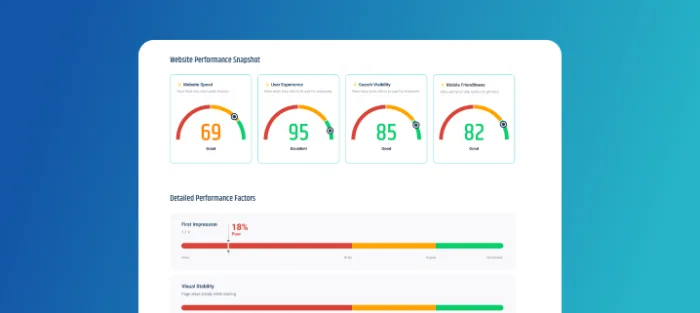



The essential website hosting requirements every business must know include SSL certificates, secure configuration, uptime guarantees, CDNs, automated backups, domains and hosting, 24/7 support, firewalls, security updates, and scalability. Meeting these essential website hosting requirements ensures your website stays secure, reliable, and ready to grow.
Your website is like your business’s front door. It’s often the first place customers go to learn about you, explore your services, or make a purchase. But behind the design and content is something most business owners don’t think about: hosting. Without the right setup, even the best-looking website can fail when you need it most.
This is where the essential website hosting requirements come in. These are the non-negotiable elements that keep your website secure, reliable, and ready to grow with your business. Whether you run an e-commerce store, a healthcare practice, or a professional service, meeting these requirements means protecting your revenue, your reputation, and your customers’ trust.
1. Critical Security Infrastructure

Security is the first building block of the essential website hosting requirements. If your website is not secure, everything else falls apart.
SSL Certificate
An SSL certificate is a must-have. It locks the connection between your website and your visitors, keeping data like passwords and payment details safe. Without SSL, browsers display warnings, search engines lower your rankings, and customers lose trust.
Secure Configuration Management
Hosting security depends on how the system is set up. Weak defaults such as unchanged passwords, unnecessary software, and unused accounts create openings for attackers. A properly configured system closes those gaps and ensures that only authorized people can access sensitive data.
2. Reliability and Performance Essentials
A reliable website is a working website. Even short periods of downtime can damage customer trust and cut into revenue. Reliability and speed are two of the most important parts of the essential website hosting requirements.
Uptime Guarantee
Professional hosting should offer at least a 99.9% uptime guarantee. At first, 99% uptime may sound fine, but it adds up to almost four days of downtime per year. With 99.9%, downtime is reduced to less than nine hours per year. Every minute online matters, especially if your business depends on online sales or customer bookings.
Content Delivery Network (CDN)
A CDN makes your website load faster for customers no matter where they are. Instead of relying on one server in one location, the website is shared across many servers worldwide. That way, when traffic spikes or a customer visits from another country, your site stays fast, reliable, and easy to use. A faster website also helps your search engine ranking and keeps visitors from leaving before the page loads.
3. Data Protection Requirements

Losing data can be devastating for any business. Whether it’s website content, customer information, or sales records, once it’s gone, recovery is often expensive—or impossible. That’s why backups are one of the essential website hosting requirements.
Automated Backup Systems
Backups should run automatically every day, without you having to remember or press a button. Copies of your website are stored securely in another location, so if something goes wrong—like a hack, server crash, or human error—you can restore everything quickly. Regular testing makes sure the backups actually work when you need them most.
4. Domain and Hosting Fundamentals
Every website needs two basics to exist online: a domain and hosting. Without them, none of the essential website hosting requirements can be met.
Registered Domain Name
This is your website’s address on the internet—what customers type into their browser to reach you. A domain should be registered through an accredited provider and connected properly to your hosting.
Web Hosting Service
Hosting is where your website lives. It provides the storage, bandwidth, and server power needed to keep your site running smoothly. The right hosting plan makes sure your website loads quickly and can handle your business needs today and as you grow.
5. Support Infrastructure
Technology problems don’t wait for business hours. If your website goes down at midnight or during a weekend sale, you need help right away. That’s why around-the-clock support is part of the essential website hosting requirements.
24/7 Customer Support
Professional hosting should include access to experts anytime—day or night. Good support means having multiple ways to reach someone (phone, chat, or email) and fast response times. It also means talking to people who understand security, server issues, and troubleshooting, not just reading from a script.
6. Compliance and Security Monitoring
Keeping your website online requires more than speed. It also requires meeting security standards and protecting sensitive data. These measures are part of the essential website hosting requirements.
Firewall Protection
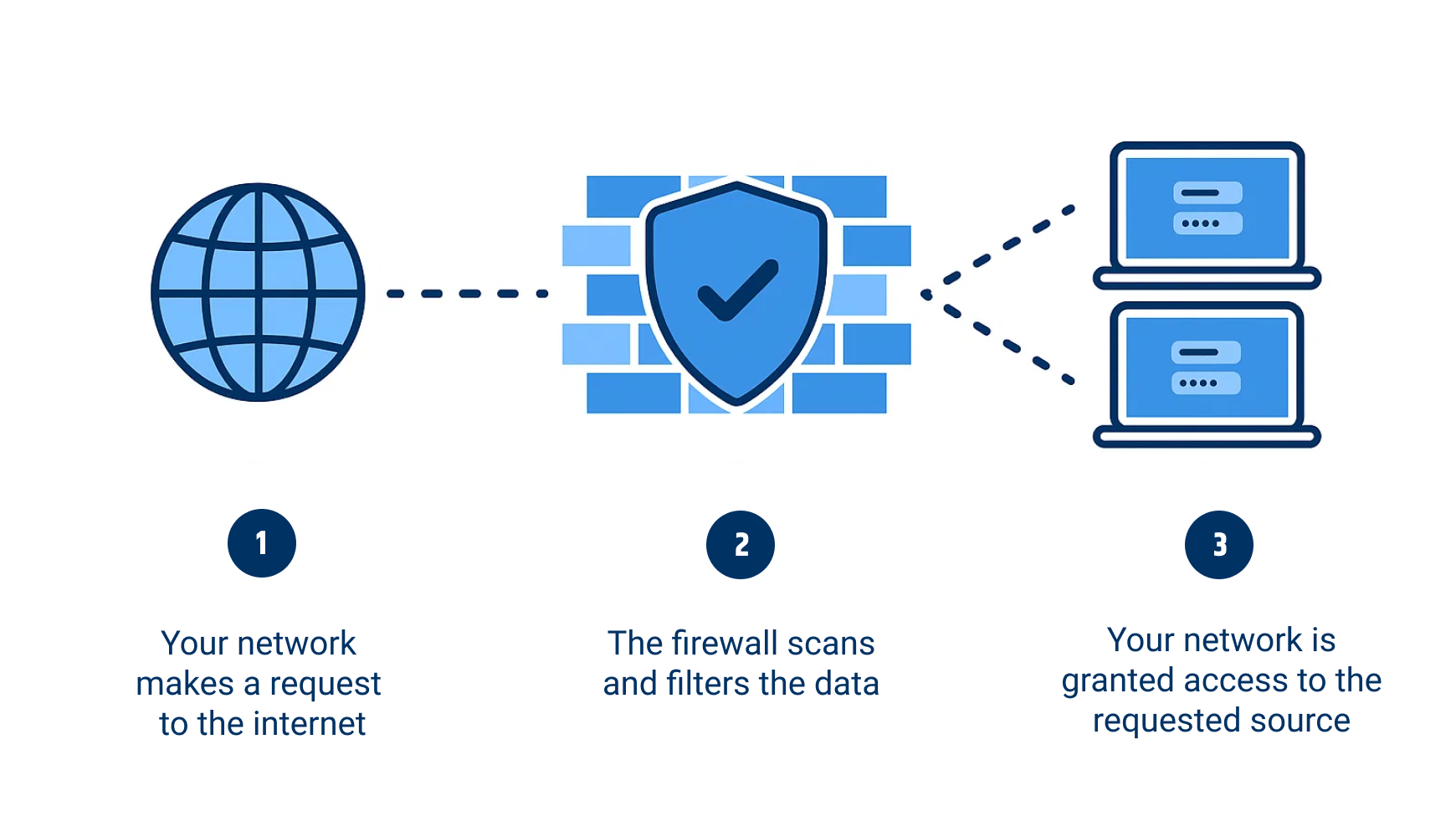
A firewall acts like a security guard for your website. It blocks unwanted visitors and only allows the right kind of traffic through. This prevents hackers from exploiting weak points and helps protect customer data.
Security Update Management
Software needs regular updates to stay secure. Hackers often target outdated systems because they know where the holes are. A reliable hosting setup includes ongoing monitoring and timely updates to close those gaps before they become a problem.
7. Scalability Infrastructure
As your business grows, your website should grow with it. Slowdowns or crashes during busy times can turn customers away. That’s why scalability is part of the essential website hosting requirements.
Resource Scalability
Modern hosting makes it easy to adjust resources like storage, bandwidth, and processing power without taking your site offline. This means you can handle traffic spikes, launch new campaigns, or expand your services without worrying about technical limits or costly migrations.
Final Thoughts
Strong hosting is the foundation of a reliable online presence. From security and backups to uptime and scalability, these features protect your business, your customers, and your revenue. Ignoring them can lead to costly downtime, data loss, and lost trust.
Meeting the essential website hosting requirements ensures your website is ready to perform every day, no matter what challenges come your way.