


If you operate a business comparing CRM vs ERP, chances are you have some familiarity with CRM and ERP software. But what exactly are they, what are the objectives of each, and what's the difference between them? In this article, we'll explore the key differences between CRM and ERP software and help you decide which one you need for your business.
If you run a growing business, you've probably heard both terms thrown around—sometimes as if they're interchangeable. They're not. CRM and ERP solve different problems, for different teams, and picking the wrong one (or forcing one to do the other's job) is an expensive mistake to unwind later.
Let's break this down. Here's what each system actually does, where they overlap, and how to tell which one your business needs right now.
The basics: what CRM and ERP software actually do
CRM stands for Customer Relationship Management. ERP stands for Enterprise Resource Planning. Both aim to streamline operations and improve efficiency—but they come at it from opposite ends of the business.
In practical terms: CRM looks outward, at your customers and revenue. ERP looks inward, at your operations and resources.
Understanding CRM software
CRM software manages and analyzes customer interactions across the entire lifecycle—from the first lead to post-sale support. It's the central database for everything you know about a customer: contact details, purchase history, support tickets, and every touchpoint across email, phone, and social.
It also runs your sales engine—managing the pipeline, tracking deals and contracts, and automating repetitive sales tasks. The payoff is a 360-degree view of each customer, which turns into better service, stronger relationships, and higher retention.
Who usually owns it: sales, marketing, and customer service teams.
About ERP software
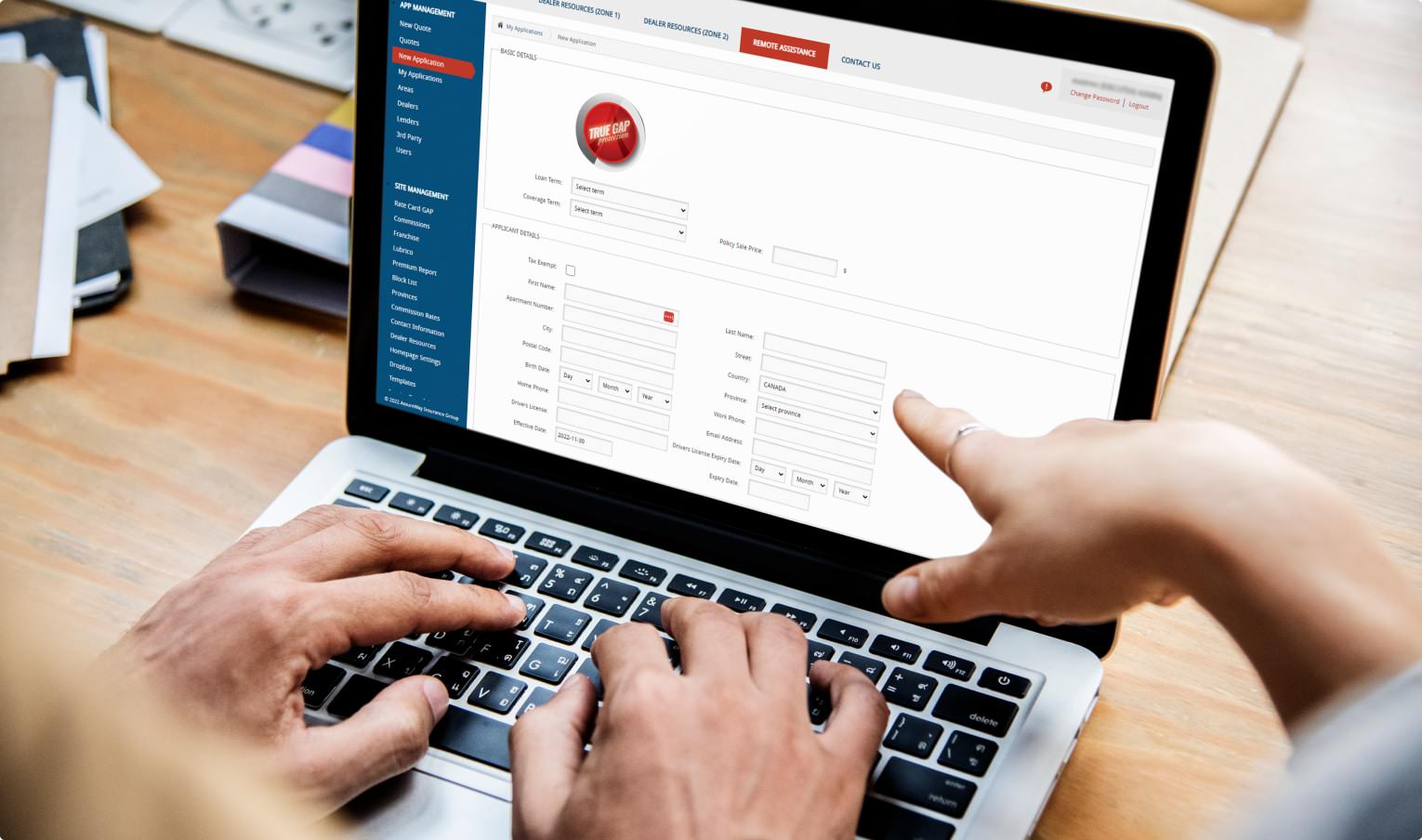
ERP software runs the machinery of the business itself—finance and accounting, inventory, supply chain, HR, and procurement. It's a single platform that connects every department and process, so information lives in one place instead of a dozen disconnected spreadsheets.
Because everything is centralized, ERP gives you real-time visibility into operations and the data to make faster, better-informed decisions.
Who usually owns it: finance, operations, and supply chain teams.
CRM vs ERP: the difference at a glance
| CRM | ERP | |
|---|---|---|
| Primary focus | Customers and revenue | Operations and resources |
| Core question it answers | "How do we win and keep customers?" | "How do we run the business efficiently?" |
| Main users | Sales, marketing, support | Finance, operations, supply chain |
| Key modules | Contacts, pipeline, deals, service, marketing automation | Accounting, inventory, supply chain, HR, procurement |
| Business value | More sales, better retention | Lower costs, tighter operations |
Put simply: CRM helps you grow revenue; ERP helps you control cost and complexity. Most businesses feel the pull of one before the other—and which comes first tells you a lot about where your biggest bottleneck is.
Choosing the right software for your business
So which one is right for you? It comes down to the problem you're trying to solve.
Choose CRM if your priority is winning more customers, improving how you engage them, and building longer relationships. If your sales and support run on spreadsheets and memory, this is usually the first gap to close.
Choose ERP if your priority is bringing order to operations—finance, inventory, supply chain—and getting one reliable version of the truth across departments. If your teams keep duplicating work and reconciling mismatched numbers, ERP earns its keep quickly.
When you need both—and why integration matters
Plenty of businesses eventually run both. That's where the real decision lives: not CRM or ERP, but how well the two talk to each other.
When a CRM and an ERP operate in isolation, you get duplicated records, inconsistent data, and manual re-keying between systems—each one a chance for error and a hidden cost. Connecting them, so a closed deal in the CRM flows straight into invoicing and inventory in the ERP, is what turns two tools into one coherent operation. Here's how we usually approach it: map the data that actually needs to move between systems first, then build the integration around those real workflows—not the other way around.
A quick way to decide
- Is your biggest pain losing or mishandling customers? Start with CRM.
- Is it messy finances, inventory, or reporting? Start with ERP.
- Are teams re-entering the same data in two places? You need integration, not just another platform.
- Not sure the team is ready to adopt either? Weigh readiness, capacity, and budget before the tooling.

Custom, off-the-shelf, or a mix?
Once you know which system you need, the next question is how to get it. Off-the-shelf platforms like Zoho CRM are quick to deploy and cost-effective for common needs. A custom web application makes more sense when your processes are unusual, your integration requirements are heavy, or you've simply outgrown what a template can flex to. Many businesses land in between—a proven platform with custom integrations bridging the gaps. If you're weighing that trade-off, our take on custom vs ready-made CRM goes deeper.
FAQ: CRM vs ERP
Can CRM and ERP be the same system?
Some large ERP suites bundle a CRM module, and some CRMs add light operational features. But each is built around a different priority, so most businesses run a dedicated tool for each and integrate them.
Which should a small business get first?
Usually CRM. Early growth hinges on winning and keeping customers, and a CRM delivers value fast. ERP tends to pay off once operational complexity—inventory, multi-department finance, supply chain—becomes the bottleneck.
Do CRM and ERP integrate with each other?
Yes. With the right integration, data flows automatically between them—no duplicate entry, no mismatched records. It's often the highest-value step once both systems are in place.
Wrap up
CRM and ERP are both powerful tools for growing and staying competitive—they just solve different halves of the problem. CRM grows the top line; ERP tightens everything underneath it. Our team has helped many clients find and build the solution that fits their business, whether that's a custom web application or a SaaS platform like Zoho CRM—always weighing short- and long-term goals, readiness, capacity, and budget.
If you're not sure which is right for you, we can help you take the first step. Book a discovery call call and our team will walk you through choosing the best fit for your business.