

Why are agencies switching from WordPress to Craft CMS? The answer lies in evolving project demands. While WordPress still powers millions of websites, many agencies are moving away from it in favor of Craft CMS—driven by the need for cleaner builds, better content structure, and greater control over performance and security.
Craft CMS offers agencies a development environment that’s flexible, scalable, and built for modern web needs.
At Convergine, we’ve seen this shift up close. We hold the distinction of being the first Craft CMS Enterprise Partner in Canada, now also Commerce Verified—a recognition earned through our deep work with complex, content-heavy websites across industries. This experience has shown us exactly why WordPress no longer fits the needs of serious digital teams—and why Craft CMS is the clear alternative.
Let's break down the key reasons behind the shift—and what it means for agencies looking to future-proof their digital services.
Key Takeaways |
|---|
|
1. Fewer Plugin Dependencies, Fewer Headaches
One of the top reasons agencies are switching from WordPress to Craft CMS is the mounting frustration with plugin sprawl. WordPress often requires stacking multiple third-party plugins to meet even baseline functionality. This bloats the site, introduces security risks, and makes updates unpredictable.
Craft CMS offers a leaner architecture with more built-in features and a curated plugin ecosystem—giving agencies better control, performance, and peace of mind.
2. Developer-Friendly Architecture
Craft CMS is built with developers in mind — clean, modular, and free from the cluttered legacy code that often bogs down WordPress. It’s currently powered by the Yii2 framework, which supports clear separation of concerns, scalable architecture, and modern deployment workflows.
And it’s getting even better: with the upcoming release of Craft 6, the CMS will transition to Laravel — one of the most popular PHP frameworks in the world. For agencies, this opens the door to a larger talent pool, tighter integration with Laravel packages, and smoother onboarding for technical teams already familiar with Laravel.
This shift confirms Craft’s commitment to staying modern and developer-first. Agencies benefit from fewer workarounds, faster build cycles, and long-term maintainability — all while gaining more flexibility and confidence in the tech stack behind their client projects.
| Curious What Devs and Marketers Both Love About Craft CMS? |
|---|
| Get our inside take on why it works for both sides of the table. |
| Read the Blog |
3. Custom Content Modeling
For content-heavy sites, structure matters. WordPress often forces developers to bend its core structure with plugins or custom post types. Craft CMS, on the other hand, gives you complete freedom to define exactly how content should be structured—no hacks, no compromises.
You can create custom entry types, fields, relationships, and categories tailored to your client’s business logic. This gives agencies a huge advantage: content models that reflect real-world needs, not CMS limitations.
It’s one of the clearest reasons why agencies are switching from WordPress to Craft CMS—because clean, scalable content modeling leads to faster builds, better maintenance, and less tech debt down the road.
4. Stronger Security Posture
Security is non-negotiable—especially for clients in regulated industries or handling sensitive data. WordPress’s popularity makes it a frequent target for vulnerabilities, especially when third-party plugins are involved. Agencies often spend more time patching than building.
Craft CMS offers a tighter, more controlled environment. Its smaller plugin ecosystem is curated, and its core is maintained by a dedicated development team. With built-in CSRF protection, strict permission settings, and no reliance on outdated architecture, Craft significantly reduces security risks.
For agencies, fewer vulnerabilities mean fewer fire drills—and more trust from clients.
5. Clean, Intuitive Admin UI
Another top reason why agencies are switching from WordPress to Craft CMS is the streamlined experience it offers for content teams. WordPress often clutters the admin dashboard with unnecessary menus, plugin nags, and inconsistent UX patterns—especially after years of plugin accumulation.
Craft CMS, on the other hand, provides a clean, customizable control panel that reflects only what content editors need. Agencies can tailor the backend to specific client workflows, reducing confusion and training time.
This focused admin interface isn’t just a cosmetic upgrade—it’s a productivity boost that keeps non-technical users confident and in control.
| Handling Craft CMS Projects Built by Someone Else? |
|---|
| We’ve transitioned Craft sites mid-project and post-launch. Here’s how we make sense of inherited codebases and fix what’s broken. |
| See How We Take Over Craft Sites |
6. First-Class Localization and Multi-Site Support
Agencies working with global brands or multi-location clients often face headaches when implementing multilingual or multi-site setups in WordPress. Plugins can create inconsistent results, add bloat, or break with updates.
Craft CMS handles these needs natively. It allows you to manage multiple sites, languages, or regions from a single, unified backend. Content can be localized with precision, and workflows can be adapted per site—without compromising control or performance.
For agencies managing complex digital ecosystems, this kind of scalability is non-negotiable.
7. Better for Complex, Content-Heavy Sites
When agencies build websites with layered content, dynamic relationships, and multiple contributors, WordPress quickly starts showing its limits. Craft CMS, on the other hand, is built to handle complexity without turning into a mess behind the scenes.
The ability to create structured content models and custom entry types makes it easier to manage complex editorial workflows, dynamic layouts, and nested content relationships. That’s a major reason why agencies are switching from WordPress to Craft CMS—it gives teams the power to scale without sacrificing control or clarity.
8. Superior Performance and Optimization
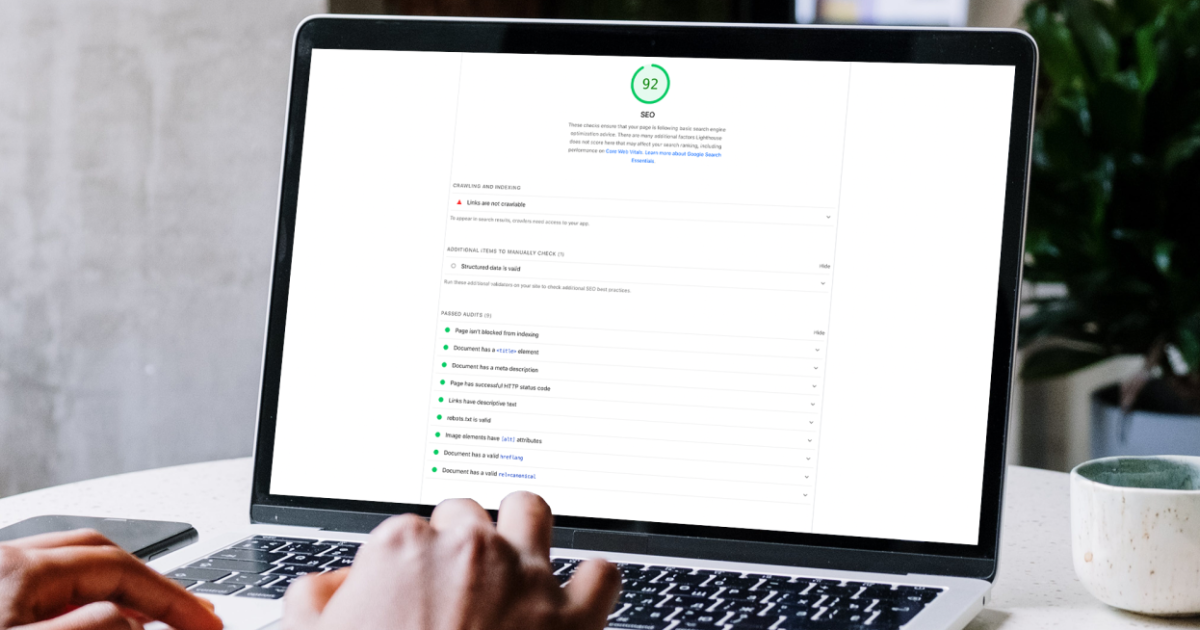
Agencies focused on speed and SEO know how much performance impacts user experience and rankings. WordPress often requires multiple plugins and caching layers to get acceptable performance, but that adds technical debt and complexity.
Craft CMS offers a leaner core with better out-of-the-box performance. It allows developers to control queries, eliminate unnecessary overhead, and fine-tune how pages load. This gives agencies a faster, more stable foundation—especially for high-traffic or conversion-focused sites.
9. Built for Headless and Modern Frontends
Modern web development often calls for decoupled frontends, single-page applications, or mobile-first architectures. WordPress can be adapted for headless use, but it’s not built with that in mind—often leading to compromises or extra complexity.
Craft CMS, on the other hand, supports both REST and GraphQL APIs natively, making it a solid choice for agencies building with frameworks like React, Vue, or Svelte. That’s another reason why agencies are switching from WordPress to Craft CMS: it plays well with modern tech stacks and future-ready architectures.
10. Cleaner Client Handoffs and Long-Term Maintainability
Agencies need to deliver projects that clients can manage confidently without constant developer intervention. WordPress often leads to cluttered dashboards, redundant plugins, and confusing workflows—especially after years of updates and third-party additions.
Craft CMS, by contrast, enables agencies to create lean, structured, and intuitive admin experiences. Clients get a backend tailored to their actual workflows, not one-size-fits-all templates. And because the codebase is clean and modular, maintenance is easier—reducing support burdens and post-launch headaches.
That’s why agencies are switching from WordPress to Craft CMS: it helps them ship work that stays reliable, scalable, and client-friendly for years.
| How We Helped a Manufacturing Client Switch from WordPress to Craft CMS |
|---|
| We worked with AccuCut, a precision cutting company, to replace their outdated WordPress site. The new Craft CMS build improved performance, mobile experience, and gave their team more control over content. It’s now faster, easier to manage, and built to grow. |
| See the Full Case Study |
Final Thoughts
As the web matures, so do the needs of the agencies building it. WordPress still has its place—but when flexibility, control, and scalability are non-negotiable, Craft CMS offers a cleaner path forward.
Agencies are switching from WordPress to Craft CMS not because of hype, but because it solves real problems: tangled codebases, rigid content structures, bloated admin panels, and inconsistent performance. Craft provides the tools to build websites that are fast, stable, and tailored—without overcomplicating the process.