

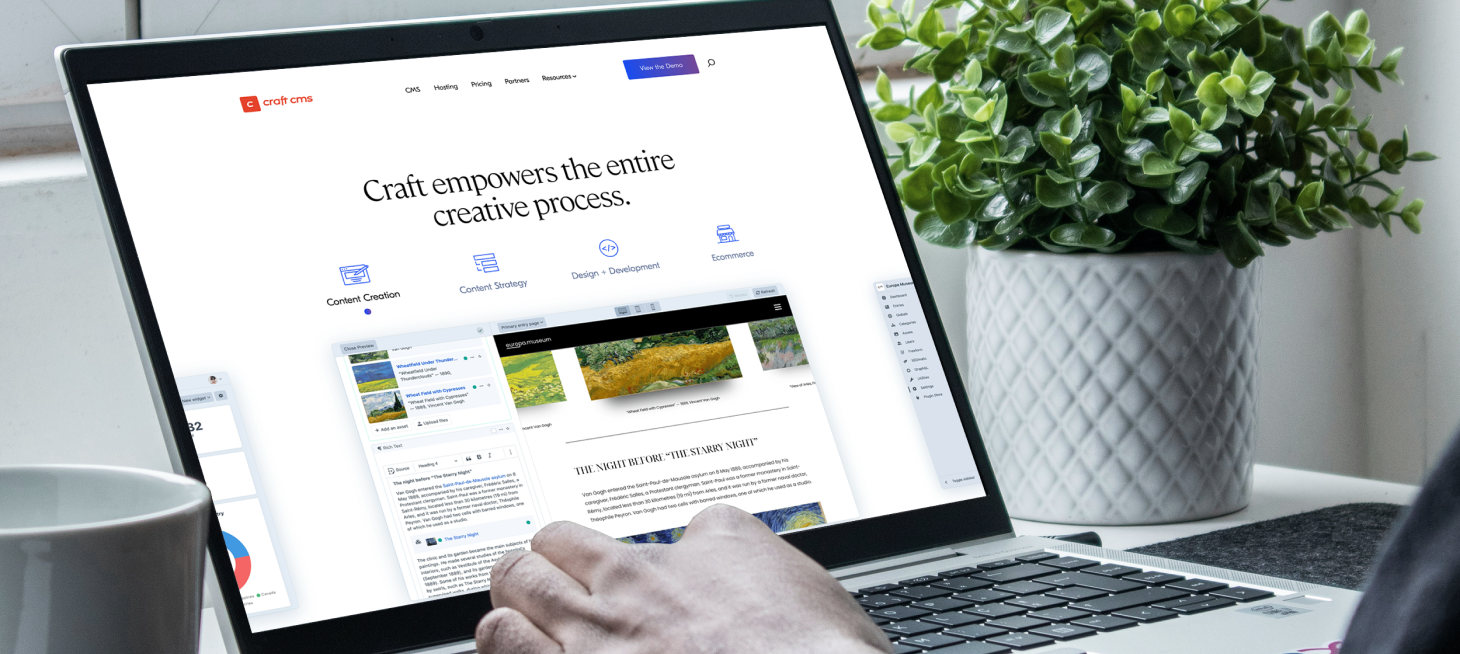
Craft CMS is one of the most sustainable content management systems available today—clean architecture, scalability, security, and easier maintenance…
After more than a decade of designing and developing websites for small and mid-sized businesses, we've worked with nearly every major CMS—WordPress, Joomla, Drupal, custom-built systems, and everything in between. Each platform has strengths, but also trade-offs. Over time, one consistently stood out for its reliability, flexibility, and long-term value: Craft CMS.
From managing growth to keeping maintenance under control, sustainability is a key factor for businesses that rely on their websites to support operations and generate leads. Based on our hands-on experience, we’ve come to a clear conclusion: Craft CMS is one of the most sustainable content management systems available today.
Here’s why we believe it deserves serious consideration for any business looking to invest in a future-proof digital foundation.
1. Purpose-Built, Not Plugin-Dependent
One of the first things we noticed after years of working with WordPress and similar platforms is how quickly websites can become bloated. It’s easy to rely on third-party plugins to add features—but over time, this patchwork approach introduces security risks, performance issues, and maintenance headaches. Updates break things, plugins conflict, and suddenly a simple site becomes fragile and unpredictable.
Craft CMS takes a different approach. Instead of offering a marketplace full of plugins to patch things together, it provides a robust, flexible foundation that’s meant to be customized properly from the start. When we build with Craft, we’re building lean, efficient, and tailored websites—without relying on dozens of plugins to make the basics work.
That shift alone makes a big difference in long-term sustainability. Fewer external dependencies mean fewer points of failure, lower maintenance overhead, and better site performance over time.
2. Clean Code and Developer-First Architecture
One of the biggest challenges we’ve faced when working with other CMS platforms—especially open-source ones like WordPress—is dealing with inconsistent code quality. Themes and plugins are built by different developers with varying standards, which often leads to messy, redundant, or insecure code. Over time, that makes the site harder to scale, troubleshoot, or even hand off to a new developer.
Craft CMS was built with developers in mind. Its architecture is clean, consistent, and well-documented. We can structure projects the way we need to—without fighting against the system or cleaning up someone else’s shortcuts.
This level of control pays off in the long run. Projects are easier to maintain, extend, and debug. And when you're supporting SMBs that need reliable websites without technical surprises, that consistency matters.
From our experience, this foundation is what makes Craft CMS stand out—and it’s a key reason we believe Craft CMS is one of the most sustainable content management systems for growing businesses.
3. Built to Grow With the Business
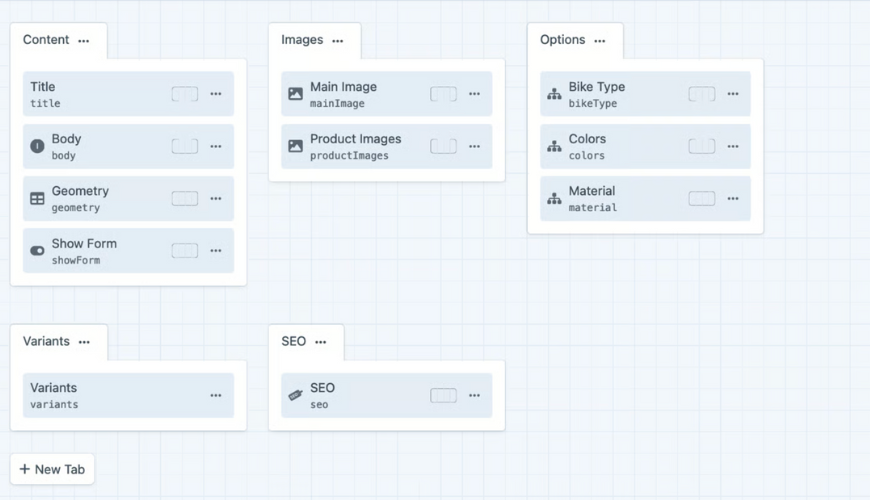
Many of the clients we work with start with a modest website—focused, lean, and practical. But over time, they want to add features, integrate tools, or evolve their design as their business grows. That’s where a lot of traditional CMS platforms start to show limitations.
With WordPress, for example, scaling often means stitching together more plugins or working around constraints built into themes. Eventually, that approach runs into performance issues or architectural bottlenecks.
Craft CMS handles growth differently. Because we can build everything from the ground up—without unnecessary dependencies—we’re not boxed in by previous design choices. We can evolve the structure, add complex functionality, and integrate third-party systems without having to tear the site apart.
This flexibility has allowed us to support clients through multiple stages of their digital growth—without having to rebuild or switch platforms. It’s efficient for us, and even more valuable for the businesses we support.
| Take a Closer Look at How This Works in Practice |
|---|
| If you’re curious how Craft CMS supports real-world growth, our case studies walk through projects that evolved over time—without rebuilds, plugin sprawl, or structural limits. |
| View Our Craft CMS Projects |
4. Easier to Maintain, Easier to Support
A big part of sustainability is what happens after launch. We've supported dozens of websites over the years, and the ones that consistently require the most time, budget, and emergency fixes are usually built on top of messy plugin stacks or custom code that was rushed and poorly documented.
Craft CMS simplifies post-launch support. The control panel is intuitive for content editors, the codebase is clean for developers, and updates are consistent and reliable. Maintenance doesn’t feel like guesswork—we know what to expect, and so do our clients.
That predictability is one of the reasons we believe Craft CMS is one of the most sustainable content management systems for businesses that want stability, not surprises, as their website evolves.
We’ve spent far less time troubleshooting and more time making meaningful improvements, which is exactly the kind of balance our clients appreciate.
5. Security Without the Headaches
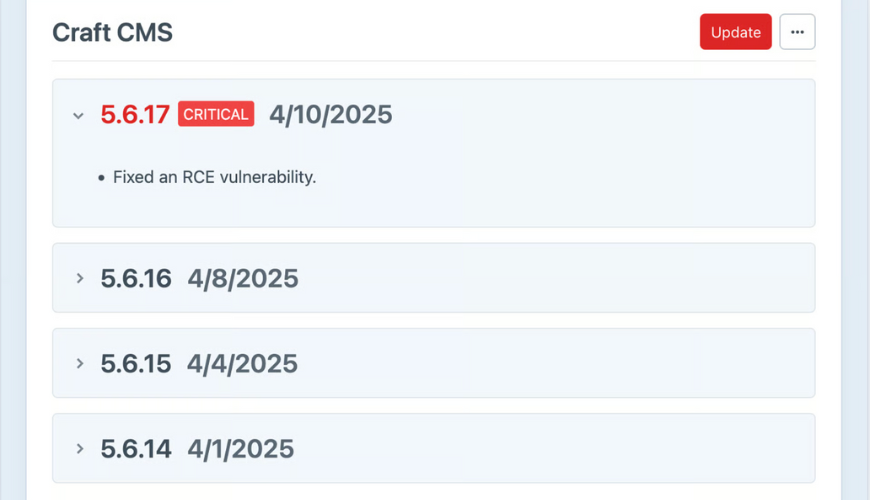
Security is always a concern, especially for SMBs that don’t have in-house technical teams watching over their site 24/7. Over the years, we’ve dealt with countless WordPress sites that were compromised due to outdated plugins, weak admin controls, or gaps in theme security—most of which were preventable.
What sets Craft CMS apart is its security-first architecture. It doesn’t rely on a sprawling plugin ecosystem, which reduces the number of external vulnerabilities from the start. The team behind Craft takes security seriously, releasing updates consistently and maintaining strong development standards. That gives us—and our clients—more peace of mind.
We still follow best practices, of course: strong passwords, two-factor authentication, server-side protections. But with Craft, we’re not constantly chasing vulnerabilities or plugging unexpected holes. That’s a major advantage when supporting live websites for clients who can’t afford disruption.
6. Long-Term Value for Clients and Developers
Over the years, we’ve seen how difficult it can be for clients to manage their own websites—especially when the backend feels like an afterthought. With some CMS platforms, the admin interface is cluttered or confusing, and every content update requires developer intervention.
We’ve had a different experience with Craft. Its control panel is thoughtfully designed, fully customizable, and easy for non-technical users to navigate. That usability, combined with its technical flexibility, is a big part of why we believe Craft CMS is one of the most sustainable content management systems for small to mid-sized businesses.
It makes life easier on both sides: clients can manage their content with confidence, and we can support and evolve the site without having to work around unnecessary complexity. That’s a strong foundation for long-term digital success.
| Ready to Build a Sustainable Website? |
|---|
| If you're planning your next website and want something built to last—not just launch—let’s talk. We’ll help you design and develop a digital presence that’s secure, scalable, and thoughtfully crafted on a platform that supports your business long-term. |
| Book a Discovery Call |